Bridgewater Assisted Living-midtown.
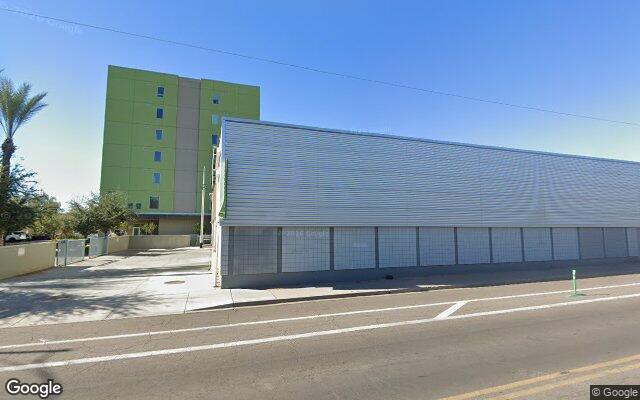
A large home, reviewed on public record.
© Google Street View
Compared to 116 Arizona facilities with a similar number of beds.
Care · 36-month window. Higher percentile = better performance on inspection record. Source: Arizona Dept. of Health Services · Bureau of Residential Facilities Licensing.
among peers to rank.
on file.
Rankings based on 36-month ADHS inspection data. Severity and frequency: fewer citations = higher percentile. Repeat rate: lower repeat citation share = higher percentile.
Citation history, plotted month by month.
66 deficiencies on record. Each bar is a month with a citation.
Finding distribution
66 total · 36 monthsScope × Severity (CMS A–L)
Every inspection visit, verbatim.
23 inspections in the public record, most recent first. Plain-language summaries open first — click into any row for the full citation text.
2026-08-20Complaint InvestigationNo findings
2026-08-05Complaint InvestigationNo findings
2026-07-16Complaint InvestigationNo findings
2026-07-02Complaint InvestigationNo findings
2026-04-22Complaint InvestigationNo findings
2026-04-13Complaint InvestigationNo findings
2025-10-07Complaint InvestigationNo findings
2025-08-01Complaint InvestigationNo findings
2025-06-27Complaint InvestigationNo findings
2025-06-17Complaint InvestigationNo findings
2025-06-10Complaint InvestigationR9-10-808.A.3.a · 1 finding
“Based on observation, record review and interview, for one resident reviewed, the manager failed to ensure a resident had a written service plan which included a description of the resident's medical or health problems, including physical, behavioral, cognitive, or functional conditions or impairments. The deficient practice posed a risk to residents if the service plan did not include documentation of the resident's condition and services to be provided for the resident. Findings include: 1. In record review, R1's medical record (received directed care and medication administration services) included documentation from R1's medical practitioner, dated March 27, 2025, that stated "The patient is a 66 year old... with a past medical history of dementia, behaviors, and frequent UTIs..." 2. In record review, R1's medical record included documentation R1 was sent to the hospital on April 8, 2025, and an "Internal incident Report" documented, "... found... on floor by ... bed... had just fallen... looked very weak and was shaking... 911 was called..." The record included "Emergency Department Patient Instructions," dated April 8, 2025, which documented a discharge diagnosis of "UTI (urinary tract infection), Fall at home, and Dementia." 3. In record review, R1's service plan dated April 7, 2025, did not include documentation of R1's history of UTI infections, and related services to be provided. 4. During an interview, E1 and E2 acknowledged the resident's service plan did not include documentation of the resident's medical or health problems (history of UTIs), as required.”
2025-05-23Complaint InvestigationNo findings
2025-04-07Complaint InvestigationNo findings
2025-01-29Complaint InvestigationNo findings
2024-12-30Complaint InvestigationA.A.C. · 1 finding
“Based on documentation review, record review and interview, the health care institution failed to provide appropriate first aid to a non-injured resident who had fallen, appeared to be uninjured, and was unable to reasonably recover independently, for one of five residents reviewed. The deficient practice posed a risk as the facility left a resident on the floor instead of providing first aid to a non-injured resident by assisting them off the floor after a fall. Findings include: 1. A review of Department documentation revealed a report from the Phoenix Fire Department for R3. The document reported R3 had a fall, was uninjured, and needed assistance off the floor. 2. A review of R3's medical record revealed an incident report dated December 5, 2024. The document reported R3 had a fall. Following the fall, a staff member tried to help R3 off the floor. However, the staff member was unable to help R3 off the floor and called 911 to get assistance. 3. In an interview, E1 reported the facility should have had another staff member to help the resident off the floor and was unsure why 911 was called.”
2024-11-12Complaint InvestigationNo findings
2024-10-24Complaint InvestigationA.A.C. · 3 findings
“Based on documentation review, record review and interview, for one resident reviewed who required emergency medical services (EMS), the assisted living home failed to maintain a copy of documentation provided to an emergency responder. The deficient practice posed a risk if the Department was unable to verify the required documentation was provided during a resident emergency. Findings include: 1. 36-420.04. requires: Emergency responders; patient information; hospitals; discharge planning; patient screenings; discharge document A. An assisted living center or assisted living home that contacts an emergency responder on behalf of a resident shall provide to the emergency responder a written document that includes all of the following: 1. The reason or reasons the emergency responder was requested on behalf of the resident. 2. Whether the resident receives medication services and, if the resident has provided this information to the assisted living center or assisted living home, a list of all the resident's prescription and over-the-counter medications, their dosages and how frequently they are administered. 3. The name, address and telephone number of the resident's current pharmacy. 4. A list of any known allergies to any medications, additives, preservatives or materials like latex or adhesive. 5. The name and contact information for the resident's primary care physician and power of attorney or authorized representative. 6. Basic information about the resident's physical and mental conditions and basic medical history, such as having diabetes or a pacemaker or experiencing frequent falls or cardiovascular and cerebrovascular events, as well as dates of recent episodes, if known. 7. The point-of-contact information for the assisted living center or assisted living home, including the telephone number, if available, cell phone number and email address. A point of contact must be available to respond to questions regarding the information provided twenty-four hours a day, seven days a week. 8. A copy of the resident's health insurance portability and accountability act release authorizing a receiving hospital to communicate with the assisted living center or assisted living home to plan for the resident's discharge. This paragraph does not preclude a resident from revoking the resident's health insurance portability and accountability act release authorization. 9. A copy of the resident's advance directives, if any, on file at the assisted living center or assisted living home. This paragraph does not preclude a resident from revoking or modifying the resident's advance directives. 2. In documentation review, the Department received a report which documented the facility contacted emergency medical services (EMS) for R3 who had a fall. R3 was transported to the hospital for medical services. 3. In documentation review and record review, the facility did not have documentation to show the facility provided the emergency responder with written documentation that included the required information for R3. 4. During an interview, E1 and E7 reported the required documentation was provided to the emergency responder; however, a copy of the documentation provided was not maintained by the facility, as required.”
“Based on documentation review, observation, and interview, for a facility that provided directed care services, the manager failed to ensure there was a means of exiting the facility that provided access to an outside area which controlled or alerted employees of the egress of a resident from the facility. The deficient practice posed a risk if the facility was unaware of the general or specific whereabouts of a resident able to exit the facility. Findings include: 1. A review of the license issued by the Department revealed the facility was licensed at the directed care level. 2. The Compliance Officer observed a patio door to a courtyard on the memory care unit 1 West, did not control or alert employees of the egress of a resident. The door was able to be opened, allowing egress to the courtyard, and did not control or alert employees of egress. 3. During an interview, E1 acknowledged the door to the courtyard was not controlled, and did not alert the employees of the egress of a resident from the facility.”
“Based on observation, documentation review, record review, and interview, for one resident who had an emergency resulting in the need for medical services, the manager failed to ensure a caregiver documented the date and time of the accident, emergency, or injury; a description of the accident, emergency, or injury; the names of individuals who observed the accident, emergency, or injury; the actions taken by the caregiver or assistant caregiver; the individuals notified by the caregiver or assistant caregiver; and any action taken to prevent the accident, emergency, or injury from occurring in the future. Findings include: 1. In observation and interview, R3 was observed in [R3's] residential unit, and had a healing scar on the forehead. R3 reported [R3] had a fall. 2. In documentation review, a review of facility policies and procedures revealed a policy titled, "Resident Incident Reports Policy & Procedure," dated 6/29/2020, documented, "... All significant and unusual incidents will be documented, and appropriate actions taken... 1. When there is an accident, incident, or injury that affects the health and safety of a resident, visitor or staff... a. Remove the resident, visitor, or staff from any immediate danger. . Notify the manager on duty or manager on call c. Notify the resident's representative... The initial responder ... shall complete a written accident/incident report form. This includes documentation of: a. Date and time of the accident, incident, or injury, b. Description of the event c. names of witnesses, including residents if applicable, d. Actions taken immediately after the incident e. Names of individuals notified and/or the times that messages were left for individuals. 3. The department manager will complete the following actions: a. Actions taken to prevent recurrence b. Any follow-up made with team members, resident, resident representative or family members or healthcare provider.." 3. During an interview, E5 and E7 reported R3 had a fall and EMS was contacted and transported R3 for medical services. E7 reported an incident report was documented; however, "it didn't save." 4. In record review, R3's medical record did not include documentation of the date and time of the accident, emergency, or injury; a description of the accident, emergency, or injury; the names of individuals who observed the accident, emergency, or injury; the actions taken by the caregiver or assistant caregiver; the individuals notified by the caregiver or assistant caregiver; and any action taken to prevent the accident, emergency, or injury from occurring in the future. 5. During an interview, E1 acknowledged the facility did not complete the required documentation for a resident who had an emergency resulting in the need for medical services.”
2024-09-17Complaint InvestigationA.A.C. · 7 findings
“Based on documentation review and interview, the manager failed to establish and document policies and procedures to protect the health and safety of a resident, that covered how a caregiver would respond to a resident's sudden, intense, or out-of-control behavior to prevent harm to the resident or another individual. The deficient practice posed a health and safety risk to residents, if the facility failed to have established policies and procedures, and employees were not instructed on managing a resident's aggressive behaviors, to ensure the safety of residents and others. Findings include: 1. In documentation review, the Compliance Officer requested to review the facility's policy and procedures which covered how a caregiver will respond to a resident's sudden, intense, or out of control behavior. No policy was provided for review. 2. During an interview, E1 acknowledged this policy was not provided for review.”
“Based on documentation review, observation, interview, and record review, the manager failed to ensure a resident's written service plan included the planned strategies and actions for changing the resident's psychosocial interactions or behaviors; and the goals for changes in the resident's psychosocial interactions or behaviors, for one resident reviewed who required behavioral care. The deficient practice posed a risk as a service plan directs the services to be provided to a resident. Findings include: 1. R9-10-101(29) defines "Behavioral care" a. means limited behavioral health services, provided to a patient whose primary admitting diagnosis is related to the patient's need for physical health services, that include: i. Assistance with the patient's psychosocial interactions to manage the patient's behavior that can be performed by an individual without a professional license or certificate including: (1) Direction provided by a behavioral health professional, and (2) Medication ordered by a medical practitioner or behavioral health professional; or ii. Behavioral health services provided by a behavioral health professional on an intermittent basis to address the patient's significant psychological or behavioral response to an identifiable stressor or stressors; and b. Does not include court-ordered behavioral health services. 2. In observation, R10 was observed on the memory care unit. R10's room had a strong urine odor. A large chair was in the entryway to the room, the room furniture was in disarray, there was clothing in the sink, and no bedding on the mattress. 3. During an interview, E12 and E13 reported R10 exhibited behaviors; which included scratching and threatening to hit staff, was unwilling at times to allow staff to provide care and services, and cleaning of [R10's] unit. R10 had a guardian and received psychiatric services from Sage Mental Health. 4. In record review, R10's medical record included R10 had diagnoses of "Senile degeneration of brain, Schizophrenia, Type 2 Diabetes, Peripheral vascular disease, Edema, Visual hallucinations, Altered mental status, Disorientation, Unspecified mood (affective) disorder, Major depressive disorder..." The record documented "Primary Medical Primary Care Sage Primary Care and Psych." R10's service plan dated June 9, 2024, (received directed care and medication administration services) documented incontinence of urine at times, "resistant to peri-care and has to be strongly encouraged to allow for assistance," combative behaviors, resistant to taking medications at times, refuses to take shower regularly. A section titled "Behaviors" had a box checked "Severe (requires intervention for redirection and re-evaluation for appropriateness by Manager) aggression, disruptive behavior, hallucinations/delusional behavior." R10's service plan did not include the planned strategies and actions for changing the resident's psychosocial interactions or behaviors; and the goals for changes in the resident's psychosocial interactions or behaviors. 5. During an interview, E1 and O1 acknowledged R10 required behavioral care, and R10's service plan did not include the planned strategies and actions for changing the resident's psychosocial interactions or behaviors; and the goals for changes in the resident's psychosocial interactions or behaviors.”
“Based on documentation review, observation, interview, and record review, the manager failed to ensure a written service plan for one resident reviewed who required behavioral care, was reviewed by a medical practitioner or behavioral health professional. The deficient practice posed a health and safety risk if the facility was unable to meet the needs of the resident. Findings include: 1. R9-10-101(29) defines "Behavioral care" a. means limited behavioral health services, provided to a patient whose primary admitting diagnosis is related to the patient's need for physical health services, that include: i. Assistance with the patient's psychosocial interactions to manage the patient's behavior that can be performed by an individual without a professional license or certificate including: (1) Direction provided by a behavioral health professional, and (2) Medication ordered by a medical practitioner or behavioral health professional; or ii. Behavioral health services provided by a behavioral health professional on an intermittent basis to address the patient's significant psychological or behavioral response to an identifiable stressor or stressors; and b. Does not include court-ordered behavioral health services. 2. In observation, R10 was observed on the memory care unit. R10's room had a strong urine odor. A large chair was in the entryway to the room, the room furniture was in disarray, there was clothing in the sink, and no bedding on the mattress. 3. During an interview, E12 and E13 reported R10 exhibited behaviors; which included scratching staff and threatening to hit staff, unwillingness at times to allow staff to provide care and services, and cleaning of [R10's] unit. R10 had a guardian and received psychiatric services from Sage Mental Health. 4. In record review, R10's medical record included R10 had diagnoses of "Senile degeneration of brain, Schizophrenia, Type 2 Diabetes, Peripheral vascular disease, Edema, Visual hallucinations, Altered mental status, Disorientation, Unspecified mood (affective) disorder, Major depressive disorder..." The record documented "Primary Medical Primary Care Sage Primary Care and Psych." R10's service plan dated June 9, 2024, (received directed care and medication administration services) documented incontinence of urine at times, "resistant to peri-care and has to be strongly encouraged to allow for assistance," combative behaviors, resistant to taking medications at times, refuses to take shower regularly. A section titled "Behaviors" had a box checked "Severe (requires intervention for redirection and re-evaluation for appropriateness by Manager) aggression, disruptive behavior, hallucinations/delusional behavior." R10's service plan was not signed by a medical practitioner or a behavioral health professional. 5. During an interview, E1 and O1 acknowledged R10 required behavioral care, and R10's service plan was not signed by a medical practitioner or a behavioral health professional.”
“Based on documentation review, observation, interview, and record review, for one of eleven residents reviewed, the manager failed to ensure a caregiver provided a resident with the assisted living services in the resident's service plan. The deficient practice posed a risk as the service plan to direct services was not followed. Findings include: 1. In documentation review, the Department received a report, which indicated on July 8, 2024, the facility notified R3 that meal service was canceled due to the resident exposing self to the meal delivery staff. 2. In observation, R3 was escorted to the first floor conference room to participate in an interview with the Compliance Officer, O1, and E1. R3 was observed in a wheelchair. 3. During an interview, R3 reported the dining room stopped delivering meals to [R3's] residential unit because it was reported R3 exposed self to individuals who delivered the food. R3 resided on the fifth floor of the facility and was required to go to the dining room for meals, which was difficult for R3, who reported being immobile most of the time, with limited ability to walk, and had fallen in the past. R3 sometimes ordered food from Walmart but needed assistance in unloading the food and putting it away, and reported the prior manager stopped the housekeeper from assisting R3 with this. R3 denied exposing self to staff and said, "It was an outright lie." 4. In record review, R3's service plan, dated June 5, 2024, documented R3 received personal care and medication administration services, had Diabetes Mellitus without complications, was "Independent," with Dining, "Independent/No Escort Necessary," "Resident present with HIGH risk for falls... [R3] has a history of falls and uses a 4 wheeled walker to assist with mobility..." A section titled "Diet Regular," documented "Resident will have their special diet available and accommodated. Staff will be aware of the resident's diet and ensure they are receiving dining accommodations for their needs..." Another section indicated R3 received a diabetic diet. R3's medical record did not include documentation related to R3 exposing self to staff. 5. During an interview, E11 reported meal service was stopped because R3 exposed self to the individuals who delivered the food. E1 and O1 acknowledged R3 no longer received meals from the facility, as indicated in the resident's service plan. E1 reported E11 said R3 had not been to the dining room for at least the prior three days to get meals. 6. This is a repeat deficiency from the complaint investigation conducted January 19, 2024.”
“Based on documentation review and interview, for two evacuation drills conducted within the last year, the manager failed to ensure documentation of an evacuation drill included an identification of residents needing assistance for evacuation, and an identification of residents who were not evacuated; any problems encountered in conducting the evacuation drill; and recommendations for improvement, if applicable. The deficient practice posed a risk if employees were unable to implement the evacuation plan. Findings include: 1. In documentation review, the facility provided documentation of an evacuation drill conducted on April 18, 2024, and October 18, 2023; however, the documentation did not include an identification of residents needing assistance for evacuation, an identification of residents who were not evacuated; any problems encountered in conducting the evacuation drill; and recommendations for improvement, if applicable. 2. During an interview, the findings were reviewed E1, E4, O2, and O6, who acknowledged the documentation of the disaster drills did not include an identification of the residents needing assistance for evacuation, and an identification of residents who were not evacuated; any problems encountered in conducting the evacuation drill; and recommendations for improvement, if applicable. E1 reported several residents were non ambulatory or had limited mobility and were in wheelchairs, and required assistance with evacuation. The facility did not have documentation residents did not need to be evacuated.”
“Based on observation, and interview, the manager failed to ensure the facility's premises were cleaned to prevent, minimize, and control illness or infection. The deficient practice posed a health risk to residents. Findings include: 1. During an environmental inspection with E1, the Compliance Officer observed a urine odor upon entrance to the facility's memory care unit on the first floor, and the memory care unit on the second floor (2 West). Rooms 102, 110, and 226 had strong urine odors. 2. During an interview, E13 reported some residents urinated in their clothing, on the floor and/or on their furniture, and had no family to replace the furniture. E14 reported R10 urinated in [R10's] clothing and room, and was resistive to care, and to housekeeping services in [R10's] unit. 3. During an interview, E1, O1, and O2 acknowledged the urine odors on the memory care units. 4. This is a repeat deficiency from the complaint investigations conducted on January 9, 2024, January 24, 2024 and an uncorrected deficiency from the complaint investigation conducted on May 1, 2024.”
“Based on observation and interview, the manager failed to ensure garbage and refuse were stored in covered containers. The deficient practice posed a health risk to residents. Findings include: 1. During an environmental inspection with E1, the Compliance Officer observed uncovered garbage containers on the facility's memory care units, including rooms 101, 102, 105, 108, 110, 219. The memory care units were observed to have a strong odor of urine. 2. During an interview, E1 reported the facility purchased covered garbage cans, and provided a receipt of purchase; however, acknowledged the garbage cans were not distributed to the memory care units yet. 3. This is an uncorrected deficiency from the complaint investigation conducted on May 1, 2024.”
2024-05-29Complaint InvestigationA.A.C. · 4 findings
“Based on observation, documentation review, and interview, for one resident, the manager failed to ensure a resident was treated with dignity, respect, and consideration. The deficient practice showed a lack of consideration for a resident, who was allowed to reside in a hot room for multiple days, without a working air conditioner. Findings include: 1. In documentation review, the Department received a complaint report dated May 29, 2024, which documented "On Friday May 17, 2024 (date was actually May 24, 2024) at approximately 10am the air conditioning (AC) went out at the facility. The [resident] was told that ... would be moved from the 3rd floor to the 5th floor. The AC was not working on the third floor. At the time of the call (May 29) the [resident] was still on the 3rd floor with no AC. AV has severe asthma and medicsl issues." 2. During an interview, E1 reported R1's AC unit was not working on May 24, 2024; however, R1 was provided access to a different room, and E2 repaired the unit upon return to work on May 30, 2024. E2 reported R1's AC unit was found to not be working at 10am on May 17, 2024. E2 attempted to repair the unit; however, did not receive all of the replacement parts so was unable to repair the unit, and left work at 4:30pm. E2 reported R1 was in the unit when E2 left work, and reported E2 returned to work on May 30, 2024, and found the resident was still in the room, and the AC unit was still not working. E2 reported the room was hot. E2 then switched out an AC unit from an empty residential unit. 3. During an interview, O1 reported R1's daughter was informed the AC unit was not working, and agreed to have the facility move R1 to a different room; however, R1 was never moved, and R1 was unable to move by self. O1 visited the facility on the morning of May 30, 2024, and R1's room was "very hot in the 90's," O1 reported this to the caregiver. The AC unit was then replaced by E2. E1, E2, O1, and R1 reported R1 was left in the room without a functioning AC unit from May 24 through May 31, 2024. 4. A review of Phoenix outdoor weather temperatures from May 24 through May 31, 2024, ranged from a high of 99 degrees on May 24, 100 degrees, 91 degrees on May 25, 97 degrees on May 26, 100 degrees on May 27, 104 degrees on May 28, and 102 degrees on May 29, 2024. 5. During an interview, the findings were reviewed with E1, O2, who acknowledged the AC unit in R1's residential unit failed to maintain a temperature between 70\'b0 F and 84\'b0 F at all times, and R1 was left in the hot room, and not moved to residential unit with a working AC unit. 6. This is a repeat deficiency from the complaint investigation conducted on January 9, 2024, for which the facility submitted a plan of correction.”
“Based on record review, observation, and interview, for one of two residents reviewed, the manager failed to ensure medications were administered in compliance with a medication order. The deficient practice posed a health and safety risk if the facility did not maintain medication orders and administer medications in compliance with an order. Findings include: 1. In record review, R2's medical record (received personal care and medication administration services) included documentation of a medication order for Gabapentin 100 mg po twice daily, three tablets at bedtime for neuropathy. New orders were received on May 9, 2024, for Gabapentin 300 mg 1 cap oral TID, take 600 mg at night, two tablets. 2. In record review, R2's medication administration record (MAR) included documentation the Gabapentin was administered at 8:00am, 2:00pm and 8:00pm. The record revealed the following: - No documentation the Gabapentin medication was administered at 8:00am on May 1 - 4, 2024, and at 2:00pm and 8:00pm on May 1 - 3, 2024. - May 18, 2024 - 12:00pm, medication not administered, "Medication not available." - May 19, 2024 - 8:00am and 2:00pm, medication not administered "Medication not available." - A new MAR documented, "Take 3 capsules by mouth every night at Bedtime and one capsule by mouth daily at 8am and 12 pm." - No documentation the Gabapentin medication was administered on May 25, 2024. - No documentation the Gapaentin medication was administered at 8:00am or 12:00pm on March 30, 2024. 3. In observation, R2's medications included a packet of Gabapentin 300 mg capsule, dated as dispensed on "5/18/24' showing "Take 2 capsules by mouth every night at bedtime." No Gapabentin medication packet was observed for administration at 8:00am and 12:00 administration times. 4. On March 18, 2024, R2's medical record included documentation R2 was sent to the hospital for pain management. 5. During an interview, R2 and O3 reported the facility did not always have R2's medication available for administration, as ordered. R2 reported [R2] often had pain due to neuropathy and needed the medication. R2 requested to go to the hospital on May 18, 2024, for treatment of the pain, due to not receiving the medication, as ordered. 6. During an interview, E1 reported R2 had a medication change on March 18, 2024. There were problems with the new medication order, the facility didn't receive the medication timely; and the medication was not administered to R2. R2 went to the hospital for treatment of pain. E1 acknowledged R2 did not receive the medication, as ordered. 7. This is a repeat deficiency from the complaint investigation conducted on January 24, 2024, for which a plan of correction was submitted.”
“Based on observation, documentation review, record review, and interview, for one resident reviewed, who received a controlled substance, the manager failed to ensure policies and procedures were implemented for inventorying controlled substances. The deficient practice posed a risk if controlled substances were not inventoried and accounted for by the facility. Findings include: 1. In observation, R2's medications included two packets of Tramadol medication, one packet; showed 12 full tablets were dispensed on May 7, 2024, and no medication was administered from the packet. A second package, showed 12 full tablets were dispensed on May 13, 2024, and nine 1/2 tablets remained in the packet. 2. R2's medical record included documentation R2 had a medication order for Tramadol HCL 50 mg tablet, take 1/2 tablet my mouth every night at bedtime as needed for pain. R2's MAR, dated May 2024, included documentation R2 received the Tramadol medication on May 4, 6, 13, 17, 19, 21, 25, and 28, 2024. The record did not include an inventory of the medication. 3. The Department received a complaint report which documented, "... Pain medication, Tramadol, was delivered to the facility on 5/7/24. This was to be administered at bedtime on 5/7/24. This medication is to be administered nightly and the facility is unable to find it and unable to contact any nurses or people in charge of medication to rectify this issue. Korman Pharmacy has proof of delivery 5/7 and patient has not received pain meds since 5/6. Numerous med techs can not find medication. Facility has been contacted numerous times in the past 48 hours..." 4. During an interview, R2 and O3 reported the facility did not have the Tramadol medication available for administration on May 7, when requested by R2. R2 reported the pharmacy said the medication was delivered; however, the med tech said they didn't have it on the med cart, and R2 didn't receive it for several days. 5. During an interview, E1 reported being unaware R2's Tramadol medication was missing. The compliance officer requested to review the inventory for the Tramadol. E2 reported the medication inventory was documented on a narcotic inventory sheet; however, no inventory was provided for review.”
“Based on documentation review, observation, and interview, the manager failed to ensure the cooling system maintained the assisted living facility at a temperature between 70\'b0 F and 84\'b0 F at all times, unless individually controlled by a resident. The deficient practice posed a health and safety risk to a resident whose AC unit was not working for several days. Findings include: 1. In documentation review, the Department received a complaint report dated May 29, 2024, which documented, "On Friday May 17, 2024 (date was actually May 24, 2024) at approximately 10am the air conditioning (AC) went out at the facility. The [resident] was told that ... would be moved from the 3rd floor to the 5th floor. The AC was not working on the third floor. At the time of the call (May 29) the [resident] was still on the 3rd floor with no AC. AV has severe asthma and medicsl issues." 2. During an interview, E1 reported R1's AC unit was not working on May 24, 2024; however, R1 was provided access to a different room, and E2 repaired the unit upon return to work on May 30, 2024. E2 reported R1's AC unit was found to not be working at 10am on May 17, 2024. E2 attempted to repair the unit; however, did not receive all of the replacement parts so was unable to repair the unit, and left work at 4:30pm. E2 reported R1 was in the unit when E2 left work, and reported E2 returned to work on May 30, 2024, and found the resident was still in the room, and the AC unit was still not working. E2 reported the room was hot. E2 then switched out an AC unit from an empty residential unit. 3. During an interview, O1 reported R1's daughter was informed the AC unit was not working, and agreed to have the facility move R1 to a different room; however, R1 was never moved, and R1 was unable to move by self. O1 visited the facility on the morning of May 30, 2024, and R1's room was very hot "in the 90's," O1 reported this to the caregiver. The AC unit was then replaced by E2. E1, E2, O1, and R1 reported R1 was left in the room without a functioning AC unit from May 24 through May 31, 2024. 4. A review of Phoenix outdoor weather temperatures from May 24 through May 31, 2024, ranged from a high of 99 degrees on May 24, 100 degrees, 91 degrees on May 25, 97 degrees on May 26, 100 degrees on May 27, 104 degrees on May 28, and 102 degrees on May 29, 2024. 5. During an interview, the findings were reviewed with E1 and O2, who acknowledged the AC unit in R1's residential unit failed to maintain a temperature between 70\'b0 F and 84\'b0 F at all times.”
2024-05-01Complaint InvestigationA.A.C. · 16 findings
“Based on documentation review, record review, and interview, for five of eight residents reviewed, the health care institution failed to provide appropriate first aid to a resident who was in distress, and to a non-injured resident who had fallen, appeared to be uninjured, and was able to reasonably recover independently. The deficient practice posed a risk as the facility called 911 instead of providing first aid to a resident in distress and a non-injured resident by assisting them off the floor after a fall. Findings include: 1. A report submitted by O1 documented that on February 27, 2024, "R1 slipped while using restroom and called staff 3x's for help, no one every came. FD was unable to locate any staff on the 6th floor. Upon exiting the building,... 4 female staff members were engaged in casual conversation... made the ... employees aware the pt had been calling for help and their response was "we will look into it." Pt sat on the floor in ... urine for approximately 30 min until FD arrived and solved the problem. Staff unaware and unwilling to care for resident..." 2. A report submitted by O1 documented that on February 29, 2024, at 2:50am "... Staff/facility insufficient to meet patient needs. Staff failed to recover patient per ARS 36-420. LT9 arrived at approx 3am for a "fall injury" and found the pt [R1] lying next to her bed crying. Pt was awake and breathing in no obvious distress. The staff met us at the locked door in the lobby and told us "pt thinks she broke her leg." Upon assessment pt states she was upset about ... pain meds being changed causing ...to black out more frequently. Pt denies any major trauma and was requesting help up because... knee hurt. This call was the 4th call for station 9 on 2/28/24 at this facility. The 3 health care staff members on scene stated they were unable to help pt to feet on their own after fell out of bed. LT9 assisted pt back to her bed and pt adamantly refusing xport to the hosp. Pt signed refusal and staff was apologetic for calling the fire dept because they didn't really know what's wrong with the pt...." 3. A report submitted by O1 documented on March 2, 2024, "Staff/facility insufficient to meet patient needs and safety.... LT9 found [R2] sitting in ... recliner awake and breathing in no obvious distress. Pt had hospice nurse onscene when FD arrived. Hospice nurse stated ... was notified by med techs at memory care floor at Bridgewater that pt had fallen. According to other Bridgewater staff, med tech that witnessed fall "left for the day" and could not be found for more information on the incident. Pt has skin tear to left forearm addressed by hospice nurse, and a full thickness 1-2" laceration on her chin with the bleeding controlled. Pt is alert and oriented x4. Hospice nurse states ... was notified approx 1 hour after pt fell. Pt med history documents also do not have current information with pts med history, dementia was not listed as med diagnosis. Pt states ... felt weak and dizzy all day before ... fell. All vitals are stable but LT9 xported pt for stitches in ... chin per hospice nurse request." 4. A report submitted by O1 documented on March 6, 2024, "... Upon arrival to ... facility, approximately 2 o'clock in the morning LT9 found [R3] with low blood sugar that staff was calling for. This particular incident the staff on scene was concerned that patient has been having blood sugar issues consistently in the middle of the night for approximately a week and a half. The same Med tech staff also expressed great concern with ignored incident reports as well as ignored communication with the only nurse available for incidents. Staff stated that they have made the issues known with only having one nurse on call for emergency incident that is not on site or available for contact during the middle of the night. Patient did have low blood sugar and was taken to the emergency room via rescue nine, but LT 9 spoke with staff on this particular incident, and they expressed great concern with the mismanagement of staffing for appropriate care level needs. The staff on scene with this particular incident was extremely frustrated with not being able to get a hold of ... the on-call nurse, in the middle of the night who is not on site..." 5. A report submitted by O1 documented on March 23, 2024, "... Staff/facility insufficient to meet patient needs. Staff not available on scene failed to provide patient care report per ARS 36-420.04. ... On arrival E9 found [R4] standing inside of apartment of assisted living facility A&Ox4 speaking full sentences. Pt complaining of pain, redness and swelling to ... hands and feet. Redness and swelling is progressing further into ... extremities. Pt states symptoms onset 1 week ago. Pt has tried to let symptoms resolve on their own but symptoms have gotten progressively worse. Pt states ... asked facility staff for assistance this morning and they told ... to "go put ... feet up and relax". There is no staff on scene to give report. Pt called 911 because ... was becoming overwhelmed by the pain. Pt asking for transport to hospital for further treatment..." 6. During an interview, the findings were reviewed with E1 and E2, who acknowledged the requirements of the facility to provide appropriate first aid to a resident who was in distress, and to a non-injured resident who had fallen, appeared to be uninjured, and was able to reasonably recover independently. 7. This is a repeat deficiency from the complaint investigation conducted on January 9, 2024, for which the facility submitted a plan of correction.”
“Based on documentation review, record review, and interview, for seven of ten employees reviewed, the health care institution failed to administer a training program for all staff regarding fall recovery. The deficient practice posed a risk as organized instruction and information related to resident care and safety was not provided and implemented. Findings include: 1. A review of facility documentation revealed the facility had a Fall Prevention and Fall Recovery Program (FPFR). 2. In record review and documentation review, the facility did not have documentation the caregivers E4, E5, E6, E7, E8, E9, and E10 received training on fall prevention and fall recovery. 3. During an interview, the findings were reviewed with E1 and E2. E1 reported a FPFR program was implemented as part of the plan of correction from a prior inspection; however, acknowledged not all employees received training, including "agency" personnel, who covered shifts at the facility. 4. This is a repeat deficiency from the complaint investigation conducted on January 9, 2024, for which the facility submitted a plan of correction.”
“Based on documentation review, record review and interview, for one resident reviewed, the manager of an assisted living center who contacted an emergency responder on behalf of a resident failed to provide to the emergency responder a written document which included all required documentation per A.R.S. 36-420.04. The deficient practice posed a health and safety risk to a resident, if emergency responders were not provided documentation of a resident's medical and personal information, as required. Findings include: 1. In documentation review, a report submitted by O1, documented, on March 23, 2024, "... Staff/facility insufficient to meet patient needs (R4). Staff not available on scene failed to provide patient care report per ARS 36-420.04. ... On arrival E9 found [R4] standing inside of apartment of assisted living facility A&Ox4 speaking full sentences. Pt complaining of pain, redness and swelling to ... hands and feet. Redness and swelling is progressing further into ... extremities. Pt states symptoms onset 1 week ago. Pt has tried to let symptoms resolve on their own but symptoms have gotten progressively worse. Pt states ... asked facility staff for assistance this morning and they told ... to "go put ... feet up and relax". There is no staff on scene to give report. Pt called 911 because ... was becoming overwhelmed by the pain. Pt asking for transport to hospital for further treatment..." 2. In record review, R4's medical record did not include documentation of the incident which occurred on March 23, 2024. 3. During an interview, E1 and E2 acknowledged R4's medical record did not include documentation of an incident, as reported by O1, and no evidence a written document, which included the requirements in A.R.S. 36-420.04, was provided to EMS upon the resident's transfer to the hospital.”
“Based on record review, observation, documentation review, and interview, for seven of 12 employees reviewed, the manager failed to make good faith efforts to contact previous employers to obtain information or recommendations that may be relevant to a person's fitness to work in the facility. The deficient practice posed a risk to residents, if the facility did not make efforts to obtain information or recommendations relevant to a caregiver's fitness to work with residents at the facility. 36-411. Residential care institutions; nursing care institutions; home health agencies; fingerprinting requirements; exemptions; definitions. C. Owners shall make documented, good faith efforts to: 1. Contact previous employers to obtain information or recommendations that may be relevant to a person's fitness to work in a residential care institution, nursing care institution or home health agency. Findings include: 1. In record review, the personnel records for E4, E5, E6, E7, E8, E9, and E10 (hired as caregivers) did not include documentation the facility made efforts to contact previous employers. 2. In observation, E4, E5, E7, and E9 were observed working at the facility during the inspection. 3. In documentation review, the staffing schedules for February through April 2024 included documentation E6, E8, and E10 worked shifts at the facility. 4. During an interview, E1 acknowledged the personnel records for the caregivers did not include documentation the facility made a good faith effort to obtain information or recommendations relevant to the caregivers' fitness to work in the facility.”
“Based on observation, record review, documentation, and interview, for seven of 12 caregivers reviewed, the manager failed to ensure a caregiver's skills and knowledge were verified and documented before the caregiver provided physical health services or behavioral health services. The deficient practice posed a health and safety risk to residents, if a caregiver did not have the documented skills and knowledge to provide care and services for a resident. Findings include: 1. In observation, E4, E5, E7, and E9 were observed working at the facility during the inspection. E5 was observed working on the memory care unit (2 West) as the only caregiver, with eleven residents present. E7 was observed working on the memory care unit (2 East) as the only caregiver, with nine residents present. E4 and E9 were observed working on the memory care unit (1 West), as the only caregivers. 2. In record review, the personnel records for E4, E5, E6, E7, E8, E9, and E10 (hired as a caregivers), did not include documentation the caregiver's skills and knowledge were verified and documented before the caregivers provided services to the residents. 3. In documentation review, a facility policy, titled, "Orientation and Training," dated June 29, 2020, documented, "... Caregivers... will be given a Skills Checklist to be completed by the Supervisor and/or team member who is working with the new caregiver prior to giving care to a resident independently. The completed checklist will be kept in the caregiver's personnel record..." 4. During an interview, E1 and E2 acknowledged the personnel records for the caregivers did not include documentation the caregivers' skills and knowledge were verified and documented before the caregiver provided services. 5. This is a repeat deficiency from the complaint investigation conducted on January 9, 2024, the complaint investigation conducted on January 24, 2024, and the complaint investigation conducted on January 31, 2024.”
“Based on record review, documentation review, and interview, the manager failed to ensure the facility had sufficient caregivers with the qualifications, experience, skills, and knowledge necessary to provide the assisted living services in the facility's scope of services, to meet the needs of a resident, and ensure the health and safety of a resident. The deficient practice posed a health and safety risk to residents due to the facility having insufficient and unqualified staff, to manage resident incidents. Findings include: 1. In documentation review, the Department received notification from O1, the facility had insufficient and/or unqualified staff to meet the residents' needs including fall recovery for residents per A.R.S. 36-420.B.2, managing a resident with low blood sugar, and checking on residents. 2. A report submitted by O1 documented on February 27, 2024, "R1 slipped while using restroom and called staff 3x's for help, no one every came. FD was unable to locate any staff on the 6th floor. Upon exiting the building,... 4 female staff members were engaged in casual conversation... made the ... employees aware the pt had been calling for help and their response was "we will look into it." Pt sat on the floor in ... urine for approximately 30 min until FD arrived and solved the problem. Staff unaware and unwilling to care for resident..." 3. A report submitted by O1 documented on February 29, 2024, at 2:5am "... Staff/facility insufficient to meet patient needs. Staff failed to recover patient per ARS 36-420. LT9 arrived at approx 3am for a "fall injury" and found the pt [R1] lying next to her bed crying. Pt was awake and breathing in no obvious distress. The staff met us at the locked door in the lobby and told us "pt thinks she broke her leg." Upon assessment pt states she was upset about ... pain meds being changed causing ...to black out more frequently. Pt denies any major trauma and was requesting help up because... knee hurt. This call was the 4th call for station 9 on 2/28/24 at this facility. The 3 health care staff members on scene stated they were unable to help pt to feet on their own after ,, fell out of bed. LT9 assisted pt back to her bed and pt adamantly refusing xport to the hosp. Pt signed refusal and staff was apologetic for calling the fire dept because they didn't really know what's wrong with the pt...." 4. A report submitted by O1 documented on March 2, 2024, "Staff/facility insufficient to meet patient needs and safety.... LT9 found [R2] sitting in ... recliner awake and breathing in no obvious distress. Pt had hospice nurse onscene when FD arrived. Hospice nurse stated ... was notified by med techs at memory care floor at Bridgewater that pt had fallen. According to other Bridgewater staff, med tech that witnessed fall "left for the day" and could not be found for more information on the incident. Pt has skin tear to left forearm addressed by hospice nurse, and a full thickness 1-2" laceration on her chin with the bleeding controlled. Pt is alert and oriented x4. Hospice nurse states ... was notified approx 1 hour after pt fell. Pt med history documents also do not have current information with pts med history, dementia was not listed as med diagnosis. Pt states ... felt weak and dizzy all day before ... fell. All vitals are stable but LT9 xported pt for stitches in ... chin per hospice nurse request." 5. A report submitted by O1 documented on March 6, 2024, "... Upon arrival to ... facility, approximately 2 o'clock in the morning LT9 found [R3] with low blood sugar that staff was calling for. This particular incident the staff on scene was concerned that patient has been having blood sugar issues consistently in the middle of the night for approximately a week and a half. The same Med tech staff also expressed great concern with ignored incident reports as well as ignored communication with the only nurse available for incidents. Staff stated that they have made the issues known with only having one nurse on call for emergency incident that is not on site or available for contact during the middle of the night. Patient did have low blood sugar and was taken to the emergency room via rescue nine, but LT 9 spoke with staff on this particular incident, and they expressed great concern with the mismanagement of staffing for appropriate care level needs. The staff on scene with this particular incident was extremely frustrated with not being able to get a hold of ... the on-call nurse, in the middle of the night who is not on site..." 6. A report submitted by O1 documented on March 23, 2024, "... Staff/facility insufficient to meet patient needs. Staff not available on scene failed to provide patient care report per ARS 36-420.04. ... On arrival E9 found [R4] standing inside of apartment of assisted living facility A@Ox4 speaking full sentences. Pt complaining of pain, redness and swelling to ... hands and feet. Redness and swelling is progressing further into ... extremities. Pt states symptoms onset 1 week ago. Pt has tried to let symptoms resolve on their own but symptoms have gotten progressively worse. Pt states ... asked facility staff for assistance this morning and they told ... to "go put ... feet up and relax". There is no staff on scene to give report. Pt called 911 because ... was becoming overwhelmed by the pain. Pt asking for transport to hospital for further treatment..." 7. During an interview, R4, R7, and R8 reported being unable to locate staff when needed. R8 reported it once took four hours for a caregiver to respond to a call, and R8 no longer called for assistance, and would call 911, if needed. 8. In observation, the Compliance Officer observed E4, E5, E7, and E8 working at the facility during the inspection. 9. In record review, the personnel records for E4, E5, E6, E7, E8, E9, and E10 (no hire dates in record) did not include documentation of the caregivers' qualifications, skills and knowledge, education and experience applicable to their job duties, documentation the caregivers' skills and knowledge were verified before providing services to the residents, documentation the caregivers received training on fall prevention and fall recovery, and did not include documentation the facility made a good faith effort to check the employees' references to determine their fitness to work in the facility. 8. During an interview, E11 reported the facility had a staffing shortage and were using "agency" staff. The findings were reviewed with E1 and E2, who acknowledged the findings, and acknowledged not having the required documentation for the caregivers, of their qualifications, skills, knowledge, education and experience, to be able to provide services to residents.”
“Based on documentation review, and interview, the manager failed to ensure documentation was maintained of the caregivers working each day, including the hours worked by each. The deficient practice posed a health and safety risk to residents if the facility did not maintain staffing schedules, with documentation of facility staffing coverage for residents, and an identification of the caregivers who provided services. Findings include: 1. During the entrance interview, the Compliance officer requested to review the facility's staffing schedules for February through April 2024. The schedules did not include the hours worked by the caregivers. 2. This is a repeat deficiency from the complaint investigation conducted on January 31, 2024, for which a plan of correction was submitted.”
“Based on observation, record review and interview, for seven of 12 caregivers reviewed, the manager failed to ensure a caregiver provided evidence of freedom from infectious tuberculosis (TB). The deficient practice posed a potential health and safety risk of TB exposure to residents and staff. Findings include: 1. In observation, E4, E5, E7, and E9, hired as caregivers, were working at the facility during the inspection. 2. In documentation review, the staffing schedule for February, through April, 2024, included documentation E6, E8, and E10 worked shifts at the facility. 3. The personnel records revealed the caregiver records were missing the following required documentation: - E4, screening and risk assessment - E5, screening and risk assessment - E6, second negative TB test and screening and risk assessment - E7, screening and risk assessment - E8, screening and risk assessment - E9, 2 step negative TB test and screening and risk assessment - E10, 2 step negative TB test and screening and risk assessment 4. During an interview, E1 and E2 acknowledged the caregiver records did not include the required documentation of freedom from TB.”
“Based on record review, documentation review, and interview, for one of 12 caregivers reviewed, the manager failed to ensure a caregiver provided documentation of first aid training (FA) and cardiopulmonary resuscitation training (CPR) certification specific to adults which included a demonstration. The deficient practice posed a health and safety risk to residents if caregivers did not have the required FA and CPR training. Findings include: 1. In record review, E10's personnel record (hired as a caregiver, no date of hire), did not include documentation of CPR and FA training. 2. In documentation review, the facility's staffing schedule for February through March 2024 included documentation that E10 worked shifts at the facility. 3. During an interview, E1 reported E10 was an "agency" caregiver, and was removed from the schedule when it was noticed the personnel record was incomplete. 4. This is a repeat deficiency from the complaint investigation conducted on January 9, 2024, and the complaint investigation conducted on January 31, 2024.”
“Based on record review and interview, for seven of 12 employees reviewed, the manager failed to ensure a personnel record included the individual's starting date of employment. Findings include: 1. In record review, the personnel records for E4, E5, E6, E7, E8, E9, and E10 did not include the individuals' starting date of employment. 2. During an interview, E1 and E2 acknowledged the personnel records did not include the date of hire.”
“Based on observation, documentation review, record review, and interview, for one resident, the manager failed to ensure a resident was treated with dignity, respect, and consideration. Findings include: 1. The Department received a report from O2 of an allegation a caregiver was abusive to residents, and yelled at a resident. 2. During an interview, R7 reported [R7's] call bell "Tempo" didn't work, and R7's scooter didn't work. R7 couldn't call for help, and no staff were outside at the station. R7 had to sleep in a chair all night, no staff checked on R7 throughout the night. R7 needed assistance to get into bed. In the morning R7 talked to E14, who became upset with R7 and said, "I'm tired... oh my god, you're still here talking, why don't you shut your mouth, go back to your room..." R7 reported the incident to E15. 4. In documentation review, E15's report of the conversation with R7 documented, "... concerns with care team, nobody checked on tempo, nobody checked on [R7], (Caregiver) I'm tired, what do you want? [R7] needed a battery and assistance with oxygen tank and scooter... then told the resident ... did not want to hear [R7] and [R7] needed to leave and go in [R7's] room." 5. During an interview, the findings were reviewed with E1 and E2, who acknowledged the resident was not treated with dignity, respect, and consideration. 7. This is a repeat deficiency from the complaint investigation conducted on January 9, 2024, for which the facility submitted a plan of correction.”
“Based on documentation review, observation, record review, and interview, for two residents reviewed, the manager failed to ensure a bell, intercom, or other mechanical means to alert employees to a resident's needs or emergencies was available in a bedroom being used by a resident receiving personal care services. The deficient practice posed a risk to the physical health and safety of a resident, if there was no means to alert employees of an emergency. Findings include: 1. In documentation review, the Department received a report, which documented, on March 23, 2024, at 8:15pm, "... Staff not available on scene failed to provide patient care... On arrival E9 found [resident] standing inside of apartment... alert and orientated x 4 speaking full sentences... complaining of pain, redness and swelling to hands and feet... progressing further into ... extremities. Pt states symptoms onset 1 week ago... tried to let symptoms resolve on their own but have gotten progressively worse. Pt states... asked ... staff for assistance this morning and they told ..." to go put ... feet up and relax." There is no staff on scene to give report. Pt called 911 because... overwhelmed by pain... asking for transport to hospital for further treatment..." 2. During an interview, R4 reported "was having abdominal pain, burning in legs, there wasn't anyone around, I went to the hallway to see, and no one was around..." Resident reported having lost the wrist device used to call for help, and it cost 250 dollars to purchase a new one. Resident reported the paramedics transported R4 to the hospital. 3. During an interview, R7 reported the batteries in the wrist device used to call for help died, and the resident (who is non ambulatory) was unable to call for help, and spent the night in a chair because a caregiver did not check on the resident and help R7 get into bed. 4. During an interview, E1 and E3 acknowledged the residents required assistance and did not have a means to alert staff.”
“Based on observation, documentation, and interview, for one resident who eloped from the facility which provided directed care services, the manager failed to ensure there was a means of exiting the facility that provided access to an outside area which controlled or alerted employees of the egress of a resident from the facility. The deficient practice posed a health and safety risk to residents as an unlocked door provided access to the outside and street area, without alerting employees. Findings include: 1. In documentation review, the facility was licensed at the directed level of care. 2. In observation, the facility's memory care unit (2 West) had eleven residents and one caregiver present. The unit had an outdoor patio; however, the door to the patio was locked and did not allow exit from the facility. 3. In documentation review, the Department received a report which documented, "On... 2/16/2024, ... 604 pm ED was notified by caregiver resident eloped from the memory care unit... left the courtyard patio and exited onto the walkway outside of the gate... then attempted to go off the side walk in ... wheelchair causing it to tip over and ... fell to the pavement. Per further investigation the gate was unlocked by an employee to allow the grounds keepers into the courtyard but did not ensure the gate was locked following their exit...". 4. During an interview, E1 reported the elopement occurred on February 23, 2024. R5 eloped from the facility's memory care unit, through an unlocked door to the patio, and then through an unlocked gate to the grounds outside of the facility. E1 reported the groundskeeper turned the power off which unlocked the door and gate. E1 and E2 acknowledged the facility must have a means of exiting the facility that provides access to the outside area which controls or alerts employees of the egress of a resident.”
“Based on observation, documentation review, record review, and interview, for one resident who had an emergency resulting in the need for medical services, the manager failed to ensure when a resident had an accident, emergency, or injury resulting in the resident needing medical services, a caregiver documented the names of individuals who observed the incident, the individuals notified by the caregiver, and any action taken to prevent the incident from occurring in the future. The deficient practice posed a risk if the facility did not take action to prevent an accident, emergency, or injury from occurring in the future to ensure the health and safety of residents. Findings include: 1. In documentation review, a report submitted by O1, documented, on March 23, 2024 at 8:15pm, "... Staff/facility insufficient to meet patient needs (R4). Staff not available on scene failed to provide patient care report per ARS 36-420.04. ... On arrival E9 found [R4] standing inside of apartment of assisted living facility A&Ox4 speaking full sentences. Pt complaining of pain, redness and swelling to ... hands and feet. Redness and swelling is progressing further into ... extremities. Pt states symptoms onset 1 week ago. Pt has tried to let symptoms resolve on their own but symptoms have gotten progressively worse. Pt states ... asked facility staff for assistance this morning and they told ... to "go put ... feet up and relax". There is no staff on scene to give report. Pt called 911 because ... was becoming overwhelmed by the pain. Pt asking for transport to hospital for further treatment..." 2. In record review, R4's medical record did not include documentation of the incident which occurred on March 23, 2024. 3. In documentation review, a review of facility policies and procedures revealed a policy titled, "Resident Incident Reports Policy & Procedure," dated 6/29/2020, documented, "... All significant and unusual incidents will be documented, and appropriate actions taken... 1. When there is an accident, incident, or injury that affects the health and safety of a resident, visitor or staff... a. Remove the resident, visitor, or staff from any immediate danger. . Notify the manager on duty or manager on call c. Notify the resident's representative... The initial responder ... shall complete a written accident/incident report form. This includes documentation of: a. Date and time of the accident, incident, or injury, b. Description of the event c. names of witnesses, including residents if applicable, d. Actions taken immediately after the incident e. Names of individuals notified and/or the times that messages were left for individuals. 3. The department manager will complete the following actions: a. Actions taken to prevent recurrence b. Any follow-up made with team members, resident, resident representative or family members or healthcare provider.." 4. During an interview, the findings were reviewed with E1 and E2, who acknowledged the resident called 911, and was transported to the hospital, needing medical services. E1 acknowledged a caregiver did not complete the required documentation. 5. This is a repeat deficiency from the complaint investigation conducted on September 8, 2022, the complaint investigation and compliance inspection conducted on August 1, 2023, the complaint investigation conducted on January 9, 2024, and the complaint investigation conducted on January 24, 2024, for which a plan of correction was submitted.”
“Based on observation, documentation review, and interview, the manager failed to ensure the facility's premises were cleaned to prevent, minimize, and control illness or infection. The deficient practice posed a health risk to residents. Findings include: 1. In documentation review, the Department received a complaint report, on April 19, 2024, which documented, "... The facility does not have housekeeping on the weekends, which was confirmed by ... the receptionist. The main downstairs bathrooms are overflowing with feces, urine, incontinence briefs, and diapers...". 2. During an environmental inspection with E12, the Compliance Officer (CO) observed a urine odor upon entrance to the facility's memory care unit (2 West). Two public bathrooms on the facility's first floor had a urine odor, and feces was observed on a bathroom toilet. 3. In documentation review, a facility policy, titled, "Housekeeping Services, " documented, "Housekeeping services will be provided on a weekly basis to dust cleared areas, vacuum and clean bathroom and kitchen...". The policy did not include documentation of services provided to ensure the facility's premises were cleaned to prevent, minimize, and control illness or infection. 4. During an interview, E1 reported the facility did not have housekeeping services on the weekends at the facility. E1, E2, and E12 acknowledged the environmental findings at the facility during the inspection. 5. This is a repeat deficiency from the complaint investigation conducted on January 9, 2024, and the complaint investigation conducted on January 24, 2024.”
“Based on observation and interview, the manager failed to ensure that garbage and refuse were stored in covered containers. The deficient practice posed a health risk to residents. Findings include: 1. During an environmental inspection with E12, the compliance officer observed uncovered garbage containers in several areas of the facility, to include but not limited to: units 202, 206, 219, the common area, and a public bathroom on the first floor. Soiled briefs were observed in the garbage cans in units 202 and 206. 2. During an interview, E12 acknowledged the facility and the residential units had garbage cans without covers.”
2024-01-31Complaint InvestigationA.A.C. · 9 findings
“Based on documentation review, record review, and interview, for one of two residents reviewed, who suffered an incident, the manager failed to implement the facility's incident reporting policy. The deficient practice posed a risk to the health and safety of residents if incident reporting policies and procedures were not implemented, and documentation of incident reports did not include all relevant information, notifications, and actions implemented to prevent recurrence. Findings include: 1. In documentation review, a review of facility policies and procedures revealed a policy titled, "Resident Incident Reports Policy & Procedure," dated 6/29/2020, documented, "... All significant and unusual incidents will be documented, and appropriate actions taken... 1. When there is an accident, incident, or injury that affects the health and safety of a resident, visitor or staff... a. Remove the resident, visitor, or staff from any immediate danger. . Notify the manager on duty or manager on call c. Notify the resident's representative... The initial responder ... shall complete a written accident/incident report form. This includes documentation of: a. Date and time of the accident, incident, or injury, b. Description of the event c. names of witnesses, including residents if applicable, d. Actions taken immediately after the incident e. Names of individuals notified and/or the times that messages were left for individuals. 3. The department manager will complete the following actions: a. Actions taken to prevent recurrence b. Any follow-up made with team members, resident, resident representative or family members or healthcare provider.." 2. In documentation review, the Department received a report from E1, which documented, "... when sister comes at 6:20pm, resident was on the bed with hanging legs and non responsive, so staff help ... to the floor and ... performed CPR, until paramedics is coming. However, resident pass away already, and police is coming an hour later... nurse is notified by med tech about ... situation... paramedics who confirmed... resident had passed and they did not take over CPR... because... no dateable (?) vital signs... suspected ... resident OD on Fentanyl per ... sister that was at bedside. Resident ... found to have a straw, aluminum foil, and lighter in ... hand when the med tech and sister walked into ... apartment to find [R1] unresponsive and laying across... bed on ... back..." 3. In record review, R1's medical record (received personal care and medication administration services) included documentation titled "[Facility] Observations... Alert Charting" which documented, "...Resident was on the bed and hanging legs and non-responsive, so staff help [R1[ to put .. on the floor and ... performed CPR, until paramedics is coming. However Resident pass away already and Police is coming an hour later... they had talk with sister. And the nurse is notified by Med Tech about that situation..." 4. In documentation and record review, the facility did not complete a written accident/incident report form which included documentation, as specified above in paragraph #1. 5. During an interview, E1 reported [E1] contacted the Department to report the resident's death. E1 reported alert charting was completed; however, there was no documentation of completion of a written report, as required by the facility's policies and procedures. 6. This is an uncorrected deficiency from the prior complaint investigations conducted on January 9 and January 24, 2024.”
“Based on record review, and interview, for six of nine caregivers reviewed, the manager failed to ensure a caregiver's skills and knowledge were verified and documented before the caregiver provided physical health services or behavioral health services. The deficient practice posed a health and safety risk to residents, if a caregiver did not have the documented skills and knowledge to provide care and services for a resident. Findings include: 1. In record review, the personnel records for E4 (hired as a caregiver on December 10, 2019), E6 (worked as a caregiver on January 28, 2024), E7 (worked as a caregiver on January 27 and 28, 2024), E8 (worked as a caregiver on January 28, 2024), E9 (worked as a caregiver on January 27, 2024), and E10 (worked as a caregiver on January 27, 2024) did not include documentation the caregiver's skills and knowledge were verified and documented before the caregivers provided services to the residents. 2. In documentation review, the facility staffing schedule did not indicate E6, E7, E8, E9, and E10 worked shifts at the facility on January 27 and 28, 2024. 3. In documentation review, a review of the facility's policies and procedures revealed the facility did not have a policy and procedure covering the verification and documentation of a caregiver's skills and knowledge. 4. During an interview, E11 reported the facility had procedures in place for verifying and documenting a caregiver's skills and knowledge, and acknowledged E4's personnel record did not include documentation E4's skills and knowledge were verified prior to providing services for residents. E11 reported E4 was hired prior to E11's employment at the facility. 5. During an interview, E1 reported E6, E7, E8, E9, and E10, were caregivers obtained from Nurseo staffing agency. E1 reviewed the agency's online records with the Compliance Officer, and acknowledged the facility did not verify and document the caregivers' skills and knowledge. E1 reported being unaware this was required for agency personnel. 6. This is an uncorrected deficiency from the prior complaint investigations conducted on January 9 and January 24, 2024.”
“Based on documentation review, and interview, the manager failed to ensure documentation was maintained of the caregivers working each day, including the hours worked by each. The deficient practice posed a health and safety risk to residents if the facility did not maintain staffing schedules, with documentation of facility staffing coverage for residents, and an identification of the caregivers who provided services. Findings include: 1. During the entrance interview, the Compliance officer requested to review the facility's staffing schedule for January 2024. 2. During an interview, E1 and E11 reported E6, E7, E8, E9, and E10 worked at the facility on January 27 and 28, 2024. 3. In documentation review, the staffing schedule for January 2024, did not include the hours worked by the caregivers, and did not include documentation E6, E7, E8, E9, and E10 worked at the facility on January 27, and 28, 2024. 4. During an interview, E1 acknowledged the facility did not maintain documentation of the caregivers who worked each day, including the hours worked by each. 5. Technical assistance was provided to E1 and E2, during the complaint investigations conducted on January 9 and January 24, 2024.”
“Based on record review, and interview, for five of nine caregivers reviewed, the manager failed to ensure that before providing assisted living services, a caregiver received orientation specific to the duties to be performed by the caregiver. The deficient practice posed a health and safety risk to residents if a caregiver did not receive the required orientation. Findings include: 1. In record review, the personnel records for E6 (worked as a caregiver on January 28, 2024), E7 (worked as a caregiver on January 27 and 28, 2024), E8 (worked as a caregiver on January 28, 2024), E9 (worked as a caregiver on January 27, 2024), and E10 (worked as a caregiver on January 27, 2024) did not include documentation the caregivers received orientation. 2. During an interview, E1 and E11 reported E6, E7, E8, E9, and E10 were caregivers obtained from the Nurseo staffing agency. E1 acknowledged the caregivers did not receive orientation specific to the duties to be performed by the caregiver. E1 reported being unaware this was required for agency staff.”
“Based on record review, and interview, for four of nine caregivers reviewed, the manager failed to ensure a personnel record included documentation of First Aid (FA) training. Findings include: 1. In record review, the personnel records for E7 (worked as a caregiver on January 27 and 28, 2024), E8 (worked as a caregiver on January 28, 2024), E9 (worked as a caregiver on January 27, 2024), and E10 (worked as a caregiver on January 27, 2024) did not include documentation the caregivers received FA training. The records for E7, E8, E9, and E10, included documentation the caregivers received "CPR/AED" training; however, did not include documentation of FA training. 2. During an interview, the Compliance Officer reviewed the findings with E1, who observed the training records for the caregivers, and acknowledged the training records included CPR and AED training; however, did not include documentation of FA training, which is required. 3. This is an uncorrected deficiency from the prior complaint investigation conducted on January 9, 2024.”
“Based on observation, and interview, for two Memory Care units observed, the manager failed to ensure a bell, intercom, or other mechanical means to alert employees to a resident's needs or emergencies was available and accessible in a bedroom being used by a resident receiving directed care services. The deficient practice posed a risk to the physical health and safety of residents. Findings include: 1. During an environmental inspection with E12, the Compliance Officer observed the resident bedrooms on Memory Care units 2 East and 2 West did not have a bell, intercom, or other mechanical means to alert employees to a resident's needs or emergencies. 2. During an interview, on unit 2 East, E5 reported the facility did not have a bell, intercom, or other mechanical means to alert employees to a resident's needs or emergencies available and accessible in resident bedrooms. On unit 2 West, E13 reported the same. 3. During an interview, O3 reported [O3] visited the facility on January 28, 2024, and reported being at the facility on the memory care unit for over 30 minutes, with no staff to be found on the unit. Lunch was delivered and no staff were available to serve the lunch to the residents, so after 30 minutes of waiting, O3 served the residents lunch. O3 reported there was no means available on the "locked" unit to alert employees to the residents' needs. 4. During an interview, E1 acknowledged the facility did not have a bell, intercom, or other mechanical means to alert employees to a resident's needs or emergencies; available and accessible in a bedroom being used by a resident receiving directed care services”
“Based on observation, and interview, the manager failed to ensure medication stored by the assisted living facility was stored in a separate locked room, closet, cabinet, or self-contained unit used only for medication storage. Findings include: 1. During an environmental inspection of the facility's Memory Care units; 2 East and 2 West, with E12, the Compliance Officer observed medications stored in resident bedrooms. Room 223 was observed to have two bottles of Iodine solution medication on a table, and room 201 had a bottle of Fluticasone medication on a table. The Iodine solution medication was given to E5, who reported being unaware the medication was in a resident bedroom. 2. During an interview, E1, E5, and E12 acknowledged the medications were not stored in a locked manner used only for medication storage, and inaccessible to a resident. This is a repeat deficiency from the compliance inspection conducted on August 1, 2023.”
“Based on documentation review, record review, and interview, for one resident who died on the premises, the manager failed to ensure the premises was free from a condition or situation that could cause a resident or other individual to suffer physical injury. Findings include: 1. In documentation review, the Department received a report from E1, which documented, "... when sister comes at 6:20pm, resident was on the bed with hanging legs and non responsive, so staff help ... to the floor and ... performed CPR, until paramedics is coming. However, resident pass away already, and police is coming an hour later... nurse is notified by med tech about ... situation... paramedics who confirmed... resident had passed and they did not take over CPR... because... no dateable (?) vital signs... suspected ... resident OD on Fentanyl per ... sister that was at bedside. Resident ... found to have a straw, aluminum foil, and lighter in ... hand when the med tech and sister walked into ... apartment to find [R1] unresponsive and laying across... bed on ... back..." 2. During an interview, O1 reported R1 was not responding to O1's texts at 5:30pm, so O1 contacted the facility and spoke with a "new" caregiver who reported had only worked at facility a couple of days, and requested a resident check. O1 waited 10 minutes and did not hear back so contacted the facility again. Then O2 arrived at facility at 6:20pm and went into resident bedroom and found resident unresponsive. O1 reported R1 was found with Fentanyl pills... Police reported roommate possibly participated with O1, and drugs purchased across the street at the Quik Trip. O2 began CPR, asked caregiver to call 911, and cg said unable to contact 911 from caregiver phone, so O2 requested cg take over CPR and O2 called 911. Facility had no Narcan on site. 3. In record review, R1's medical record (received personal care and medication administration services) included documentation of a "House Call Visit Note," from Sage Primary... Care, dated April 6, 2023, which documented, "... R1 states was in a group home for approximately five months and prior to that was homeless.... Chronic Concerns: ... Back pain, Hyperlipidemia, Anemia... Bipolar - on Hydroxyzine, Invega, Divalproex. PMH: ... Bipolar 1 disorder... Opiate dependence..." 4. During an interview, E1 reported E1 contacted the Department to report the resident death. E1 reported R1 received personal care services, and was able to leave the facility at will. E1 acknowledged R1 allegedly obtained access to Fentanyl, which caused R1 harm and death.”
“Based on observation, and interview, the manager failed to ensure soiled linen and soiled clothing stored by the facility were stored in closed containers. Findings include: 1. During an environmental inspection with E12, the compliance officer observed the Memory Care unit 2 East laundry room had soiled linen in an uncovered container. Room 218 was observed to have soiled linen in an uncovered basket on the floor in the unit. 2. During an interview, E1 and E12 acknowledged the soiled linen and clothing stored by the facility was not stored in a closed container.”
2024-01-24Complaint InvestigationA.A.C. · 9 findings
“Based on documentation review, record review, and interview, for one of two resident reviewed, the manager failed to implement the facility's incident reporting policy. The deficient practice posed a risk to the health and safety of residents if incident reporting policies and procedures were not implemented, and documentation of incident reports did not include all relevant information, notifications, and actions implemented to prevent recurrence. Findings include: 1. In documentation review, a review of facility policies and procedures revealed a policy titled, "Resident Incident Reports Policy & Procedure," dated 6/29/2020, documented, "... All significant and unusual incidents will be documented, and appropriate actions taken... 1. When there is an accident, incident, or injury that affects the health and safety of a resident, visitor or staff... a. Remove the resident, visitor, or staff from any immediate danger. . Notify the manager on duty or manager on call c. Notify the resident's representative... The initial responder ... shall complete a written accident/incident report form. This includes documentation of: a. Date and time of the accident, incident, or injury, b. Description of the event c. names of witnesses, including residents if applicable, d. Actions taken immediately after the incident e. Names of individuals notified and/or the times that messages were left for individuals. 3. The department manager will complete the following actions: a. Actions taken to prevent recurrence b. Any follow-up made with team members, resident, resident representative or family members or healthcare provider.." 2. In documentation review, the Department received a report from O2, which documented, "On scene narrative...: Engine 9 was called to [facility] for pt complaining of ... foot pain at 0430 am. Pt states ... unable to contact/find any staff members for assistance. E9 attempted to locate staff member to get pt medications, with nobody found. E9 spoke with another resident of facility, ... stated ... has looked on all 7 floors for med tech and hasn't been able to find anyone." 3. During an interview, O2 reported the Engine 9 staff transported R1 to the hospital per R1's request, and facility staff were not located. 4. In record review, R1's medical record included a note, dated January 21, 2024, at 6:02 amd, "Around 4:45am during safety check Resident told staff that [resident] called ambulance and ... is going to the hospital for medication and pain..." 5. In record review, R1's record did not include documentation of a resident incident report, per the facility's incident reporting policy. 6. During an interview, the findings were reviewed with E1, who acknowledged an incident report was not documented. 7. This is an uncorrected deficiency from the complaint investigation conducted on January 9, 2024, for which a Statement of Deficiency report was sent to the provider on January 16, 2024.”
“Based on record review, and interview, for one caregiver reviewed, the manager failed to ensure a caregiver's skills and knowledge were verified and documented before the caregiver provided physical health services or behavioral health services. The deficient practice posed a health and safety risk to residents, if a caregiver did not have the documented skills and knowledge to provide care and services for a resident. Findings include: 1. In record review, the personnel record for E4 (hired as a caregiver on December 10, 2019), did not include documentation the caregiver's skills and knowledge were verified and documented before the caregivers provided services to the residents. 2. In documentation review, the facility staffing schedule included documentation E4 worked as the only caregiver/med tech on the night shift working on floors five, six and seven. 3. During an interview, E2 reported E4 worked as a med tech alone on floors five, six, and seven, except for times the facility had another caregiver assisting with coverage. Each floor was reported to accommodate up to 20 residents. 4. During an interview, E5 reviewed E4's personnel record, and reported E4's record did not include documentation of the facility's required "Competency Checklist." 5. During an interview, E1 acknowledged E4's personnel record did not include the required documentation of the verification of E4's skills and knowledge. 6. This is an uncorrected deficiency from the complaint investigation conducted on January 9, 2024, for which a Statement of Deficiency report was sent to the provider on January 16, 2024.”
“Based on record review. documentation review, and interview, for one of two residents reviewed, the manager failed to ensure a resident's written service plan included the amount, type, and frequency of assisted living services being provided to the resident, including medication administration. The deficient practice posed a risk to the health and safety of a resident if the service plan did not specify the amount, type, and frequency of services to be provided by caregivers, as required by a resident. Findings include: 1. In record review, R2's medical record included documentation R2 received medication administration in November and December, 2023, through January 8, 2024, and no documentation of medication administration since January 8, 2024. In record review R2's service plan dated January 3, 2023, documented, "... Medication Assistance, Resident will take medications per physician's orders, Staff will assist the resident with medication as needed per Physician's orders..." R2's service plan did not include a change in the resident's level of medication administration and the amount, type and frequency of medication services being provided for R2. 2. In documentation review, a facility policy, titled, "... Medication Services," documented, "... Residents will be determined to be in one of three assistance categories: a) Independent: the resident safely self-manages their own medications, including storage, administration, and re-ordering b) Assistance: Requires and needs coaching, reminding, assistance with containers, is aware that they are taking medication... 10. The required level of assistance, as well as who is responsible for assisting (e.g. resident, staff, family), will be documented in the resident's Service Plan..." 3. During an interview, E1 reported R2's level of medication management changed, and R2 was responsible for self- medication, including obtaining refills from the pharmacy. E1 acknowledged R2's service plan did not include the amount, type, and frequency of assisted living services, including medication administration services, being provided for the resident.”
“Based on record review, documentation review, and interview, for one of two residents reviewed, the manager failed to ensure a resident's medical record contained a medication order from a medical practitioner for each medication that was administered. The deficient practice posed a health and safety risk if the resident received medication and the Department was unable to verify an order for the medication. Findings include: 1. In record review, R1's medical record (received personal care and medication administration services) included documentation R1 received Basaglar Kwikpen Insulin twice daily from January 12, 2024, through January 24, 2024, and Trulicity once weekly from January 1, through January 22, 2024. R1's medical record did not include documentation of the medication orders from a medical practitioner. 2. In documentation review, a facility policy titled, "... Med Room Workflow," documented, "... All orders are reviewed by the Wellness Director or designee... Place the new order on the MAR... Fax the order to the pharmacy or request from family as appropriate... Place the information on the Refill/New Order Roster.... Make a notation for report on the Nurse/Med Tech to Nurse/Med Tech Complication Log... Three hole punch and place in chart under physician's orders... Use the physician order page when the RX is small. Attach the RX to the page... A policy titled, "Medication Records," documented "... A physician's order is required for all medications that staff members handle, store and assist with... Written physician's orders for all medications are maintained in the resident's record in the "Physician Orders"section..." 3. During an interview, E1 acknowledged R1 received Insulin medication and R1's medical record did not contain the medication orders for the Insulin.”
“Based on documentation review, interview, and record review, for one resident reviewed, the manager failed to ensure policies and procedures were implemented for monitoring a resident who self-administered medication. Findings include: 1. During an interview, R2 reported R2 requested to self administer [R2's] medications because the caregivers were not administering R2's medications on time or at all. R2 reported R2 self administered medications for the past three weeks. 2. In documentation review, a facility policy, titled, "... Resident Self-Management and Storage of Medications," documented, "... The procedures and criteria contained in this policy must be met prior to allowing a resident to manage, administer, and store their own medications. A re-evaluation of the resident's ability to self-manage medications will be conducted per policy.... Any ... resident who desires to self-manage their medications must first successfully complete the Assessment for Medication Self-Management administered by the Wellness Director or designee... File the completed Assessment for Medication Self-Management in the Resident's record with the resident's assessment. Once the resident has satisfactorily passed the evaluation, the Wellness Director or designee will ensure there is a physician's order in place that indicates the resident is able to store and self administer their medications... 3. In record review, R2's medical record (received personal care services) included documentation R2 received medication administration services in November and December, 2023, through January 8, 2024, and no documentation of medication administration since January 8, 2024. In record review R2's service plan dated January 3, 2023, documented, "... Medication Assistance, Resident will take medications per physician's orders, Staff will assist the resident with medication as needed per Physician's orders..." R2's medical record did not include documentation of a re-evaluation of the resident's ability to self-manage medications or a completed Assessment for Medication Self-Management. 4. During an interview, the compliance officer requested to review R2's medical record and documentation related to R2's self administration of medications. E1 provided R2's medical record and acknowledged the record did not include documentation R2's medication level was changed, and the facility complied with its policies and procedures for resident self management and storage of medications.”
“Based on record review, observation, and interview, for one of three residents reviewed, the manager failed to ensure medications were administered in compliance with a medication order. The deficient practice posed a health and safety risk if the facility did not maintain medication orders and administer medications in compliance with an order. Findings include: 1. In record review, R1's medical record (received personal care and medication administration services) included documentation R1 received Basaglar Kwikpen Insulin twice daily from January 12, 2024, through January 24, 2024, and Trulicity once weekly from January 1, through January 22, 2024. R1's medical record did not include documentation of the medication orders from a medical practitioner. 2. In documentation review, a facility policy titled, "... Med Room Workflow," documented, "... All orders are reviewed by the Wellness Director or designee... Place the new order on the MAR... Fax the order to the pharmacy or request from family as appropriate... Place the information on the Refill/New Order Roster.... Make a notation for report on the Nurse/Med Tech to Nurse/Med Tech Complication Log... Three hole punch and place in chart under physician's orders... Use the physician order page when the RX is small. Attach the RX to the page... A policy titled, "Medication Records," documented "... A physician's order is required for all medications that staff members handle, store and assist with... Written physician's orders for all medications are maintained in the resident's record in the "Physician Orders"section..." 3. During an interview, E1 acknowledged R1 received Insulin medication and R1's medical record did not contain the medication orders for the Insulin.”
“Based on observation and interview, the manager failed to ensure that a food menu was conspicuously posted. The deficient practice posed a potential residents' rights violation if residents were not treated with dignity, respect, or consideration, and a food menu was not conspicuously posted. Findings include: 1. During a environmental inspection, the Compliance Officer observed there was no menu conspicuously posted at the facility. The facility was observed to have seven floors, which also included separately locked memory care units. 2. During an interview, E17 reported the residents took down the menu; and acknowledged a menu was not conspicuously posted for residents to see, as required by the rule. E1 acknowledged a food menu was not conspicuously posted. 3. This is an uncorrected deficiency from the complaint investigation conducted on January 9, 2024, for which a Statement of Deficiency report was sent to the provider on January 16, 2024.”
“Based on observation, documentation review, record review, and interview, for one resident who had an emergency resulting in the need for medical services, the manager failed to ensure when a resident had an accident, emergency, or injury resulting in the resident needing medical services, a caregiver documented the names of individuals who observed the incident, the individuals notified by the caregiver, and any action taken to prevent the incident from occurring in the future. The deficient practice posed a risk if the facility did not take action to prevent an accident, emergency, or injury from occurring in the future to ensure the health and safety of residents. Findings include: 1. During an interview, R1 reported having foot pain. During a telephone interview, O1 reported R1 complained of having foot pain on the evening of January 18, 2024, which O1 reported to E2 on January 19, 2024. O1 reported no one came to see R1 related to the complaint of foot pain, and R1's sister brought R1 medicine for the pain. O1 again spoke with R1, and R1 reported could wait until Monday January 22, 2024, for follow up. O1 was notified by the hospital in the early morning of January 21, 2024, that R1 called 911, and was admitted to the hospital. O1 transported R1 back to the facility at approximately 11:00am on January 21, 2024. 2. In documentation review, a review of facility policies and procedures revealed a policy titled, "Resident Incident Reports Policy & Procedure," dated 6/29/2020, documented, "... All significant and unusual incidents will be documented, and appropriate actions taken... 1. When there is an accident, incident, or injury that affects the health and safety of a resident, visitor or staff... a. Remove the resident, visitor, or staff from any immediate danger. . Notify the manager on duty or manager on call c. Notify the resident's representative... The initial responder ... shall complete a written accident/incident report form. This includes documentation of: a. Date and time of the accident, incident, or injury, b. Description of the event c. names of witnesses, including residents if applicable, d. Actions taken immediately after the incident e. Names of individuals notified and/or the times that messages were left for individuals. 3. The department manager will complete the following actions: a. Actions taken to prevent recurrence b. Any follow-up made with team members, resident, resident representative or family members or healthcare provider.." 3. In documentation review, the Department received a report from O2, which documented, "On scene narrative...: Engine 9 was called to [facility] for pt complaining of ... foot pain at 0430 am. Pt states ... unable to contact/find any staff members for assistance. E9 attempted to locate staff member to get pt medications, with nobody found. E9 spoke with another resident of facility, ... stated ... has looked on all 7 floors for med tech and hasn't been able to find anyone." 4. During an interview, O2 reported the Engine 9 staff transported R1 to the hospital per R1's request. 5. In record review, R1's medical record included a note, dated January 21, 2024, at 6:02 am, "Around 4:45am during safety check Resident told staff that [resident] called ambulance and ... is going to the hospital for medication and pain..." 6. In record review, R1's record did not include documentation of a description of the accident, emergency, or injury; the names of individuals who observed the emergency, the actions taken by the caregiver or assistant caregiver; the individuals notified by the caregiver or assistant caregiver; and any action taken to prevent the accident, emergency, or injury from occurring in the future. 7. During an interview, the findings were reviewed with E1 and E2, who acknowledged the resident called 911, and was transported to the hospital; needing medical services. E1 reported the caregiver documented a note (see paragraph #4); however, acknowledged the caregiver failed to document per the facility's incident reporting policy; a description of the accident, emergency, or injury; the names of individuals who observed the emergency, the actions taken by the caregiver or assistant caregiver; the individuals notified by the caregiver or assistant caregiver; and any action taken to prevent the accident, emergency, or injury from occurring in the future. 8. This is a repeat deficiency from the complaint investigation conducted on September 8, 2022 and the complaint investigation and compliance inspection conducted on August 1, 2023; and an uncorrected deficiency from the complaint investigation conducted on January 9, 2024, for which a Statement of Deficiency report was sent to the provider on January 16, 2024.”
“Based on observation, documentation review, and interview, the manager failed to ensure the facility's premises were cleaned to prevent, minimize, and control illness or infection. Findings include: 1. During an environmental inspection with E3, the Compliance Officer observed R1's residential unit with multiple piles of dirty clothing on the floor; in the shower, bathroom, and in several places in the bedroom. R1's bed had no linens. 2. In record review, R1's service plan (received personal care services), dated January 3, 2024, documented, "... Resident will use weekly housekeeping service... Staff to be aware that resident will use weekly housekeeping service... Personal Laundry, Resident's laundry will be cleaned, staff will wash, dry, fold, and return residents laundry... shift 1. 3. During an interview, E1 acknowledged R1's residential unit was not maintained in a clean manner. 4. This is an uncorrected deficiency from the complaint investigation conducted on January 9, 2024, for which a Statement of Deficiency report was sent to the provider on January 16, 2024.”
2023-12-26Complaint InvestigationA.A.C. · 16 findings
“Based on documentation review, record review, and interview, for three of five residents reviewed, the health care institution failed to provide appropriate first aid to non-injured residents who had fallen, appeared to be uninjured, and were able to reasonably recover independently. The deficient practice posed a risk as the facility called 911 instead of providing first aid to a non-injured resident by assisting them off the floor after a fall. Findings include: 1. In documentation review, a facility policy titled "Responding to a Fall," documented, "Check the resident for obvious injuries, pain, and/or deformity. Call Emergency Medical Services (911), if the resident has a trauma resulting in deformity, exhibits any change in their level of consciousness, receive obvious head or significant trauma [sic]. Allow the resident to be assisted up to a chair or other seated position if the resident: Did not receive any trauma or injury, nor was struck during the fall; Has full range of motion; Denies any pain; Did not lose consciousness; Appears to be alert and oriented to their baseline norm, appears able to participate in the process of getting up..." 2. In documentation review, O1 reported that on October 2, 2023: "Staff failed to restore resident... Obese male lying supine in personal room of ... facility. Pt immobile and slid down onto ... knees then onto ... back. Staff on scene inadequately suited in numbers and in strength to lift resident up off of ground so staff called 911. [R2] did not want FD help or evaluation. ... Crew assisted [R2] up off ground and onto bed..." 3. In record review, R2's medical record included an Incident Report (IR), dated October 2, 2023, "Resident was on ... knees stated... slipped off the bed, ... has an abrasion on ... left knee. A progress note, dated October 2, 2023, documented, "Resident was found on the floor in ... room called 911 they came and picked [R2] up." 4. During an interview, R2 reported, "staff didn't try to help lift me from the floor... had to lay on floor an extra 20 minutes waiting for the ambulance to come... said they had back problems.. that's their excuse..." 5. In documentation review, O1 reported that on November 6, 2023: "...Staff failed to restore uninjured patient... On scene crew was called for a lift assist. When crew arrived on scene, patient told fire department that two nurses from [facility] walked in and told [R3] to call the fire department that they could not help lift [R3] off the ground. 6. In record review, R3's medical record included an IR, dated November 6, 2023, "... Observed on floor... Resident called for help when staff got there resident was on the floor. Resident ... stated went to use the bathroom... was walking back from ... bathroom... lost ... balance and fell. Resident denied hitting... head nor having pain..." The IR did not indicate the paramedics were called. R3's record included a progress note, dated November 5, 2023, which documented, "[R3] was trying to get up and slid down [R3's] chair us staffed couldn't get [R3] up so med tech called ambulance to help get [R3] off the floor." 7. During an interview, E11 reported [E11] worked on the unit where R3 resided; however, was not on duty on November 6, 2023. E11 reported five staff were needed to assist R3 up from the floor during a fall "last Sunday." E11 reported if the facility did not have enough staff to lift R3, the caregivers called 911 to help get [R3] off the floor. E11 reported [E11] did not receive training on Fall Recovery. 8. In documentation review, O1 reported, "... fire crews... arrive on scene to find resident [R4] with no assessment or attempt from staff to help resident." 9. In documentation review, R4's medical record included an IR, which documented, "Resident was heard from another resident screaming in ... apt care staff went in [R4] was pinned between bed and dresser with scooter on top of [R4]... we could not get the scooter off of ... without hurting... so called 911... daughter ran in was screaming get it off ... we tried to explain that ... could be hurt... she yanked it off her and laid her on the floor... " A progress note dated August 5, 2023, documented, "Resident had an unwitnessed fall in ... room... saw resident on floor with powerchair tipped over on to of [R4]... did not want powerchair taken off ... daughter entered room and pulled powerchair off... anyway. Paramedics were called out to help get resident off floor.. Resident taken to hospital." 10. During an interview with R4 and O2, R4 reported [R4] pushed the call light and waited 30 minutes for someone to help [R4], staff did not respond to the call light. Another resident heard [R4] and came into the room, and then got staff to help. R4 reported [R4] told the caregivers [R4] was not hurt, and wanted to get up from the floor but the caregivers didn't want to get [R4] up. R4 waited 30 minutes on the floor for the paramedics to arrive. R4's daughter insisted R4 be taken to the hospital and checked out. R4 reported, "I was fine..." and was returned to the facility. 11. During an interview, E1 reported facility staff were trained to assist non-injured residents after a fall. E1 acknowledged the aforementioned incident reports indicated the residents were not injured after the fall, and first aid was not administered by facility staff. E1 acknowledged the healthcare institution failed to provide appropriate first aid to residents who were able to reasonably recover independently.”
“Based on documentation review, record review, and interview, for seven of ten personnel reviewed, the manager failed to administer a training program for all staff regarding fall prevention and fall recovery. The deficient practice posed a risk to the physical health and safety of a resident if all staff were not trained on fall prevention and fall recovery. Findings include: 1. In record review, the personnel records for E2, E3, E4, and E5 did not include documentation of training on fall prevention and fall recovery. 2. In documentation review, a facility policy, titled, "Fall Reduction Program," included documentation: "All staff receive fall training during their initial orientation. All staff includes care staff, dining staff, maintenance staff, drivers, housekeeping staff, etc., Training should be delivered appropriate to the individuals roles and responsibilities. Training for care staff must include competency-based training and/or return demonstrations. All staff will receive fall training annually..." 3. In record review, the personnel records for E7 and E8, included a check mark on a document titled, "New Team Members Documentation," next to "Fall Prevention Training. Another document in the records, titled, Staff Training Record: Falls, was signed by E7 and E8. 4. During an interview, E7, E8, and E11 reported they had not received training on Fall Recovery. 5. During an interview, E1 reported the staff received training on Fall Prevention and Fall Recovery during an inservice meeting. Documentation of the inservice training was not provided for review. E1 acknowledged the personnel records for all employees reviewed, did not include documentation of training in Fall Prevention and Fall Recovery.”
“Based on record review, documentation review, and interview, for one resident reviewed, the manager failed to ensure policies and procedures were implemented for obtaining resident preferences for food. Findings include: 1. During an interview, R9 reported [R9] had an allergy to eggs and was lactose intolerant. R9 reported the facility did not provide a milk substitutes. 2. During an interview, E17 reported [E17] the facility provided therapeutic diets, and offered meetings for residents to review food concerns, with the dietary staff. E17 was unaware R9 was lactose intolerant, and was "never directed to purchase a milk alternative." E17 acknowledged the resident reported to be lactose intolerant, and the facility did not offer a dairy alternative available for residents.”
“Based on documentation review, record review, and interview, for four of thirteen residents reviewed, the manager failed to implement the facility's incident reporting policy. The deficient practice posed a risk to the health and safety of residents if incident reporting policies and procedures were not implemented, and documentation of incident reports did not include all relevant information, notifications, and actions implemented to prevent recurrence. Findings include: 1. In documentation review, a review of facility policies and procedures revealed a policy titled, "Resident Incident Reports Policy & Procedure," dated 6/29/2020, documented, "... All significant and unusual incidents will be documented, and appropriate actions taken... 1. When there is an accident, incident, or injury that affects the health and safety of a resident, visitor or staff... a. Remove the resident, visitor, or staff from any immediate danger. . Notify the manager on duty or manager on call c. Notify the resident's representative... The initial responder ... shall complete a written accident/incident report form. This includes documentation of: a. Date and time of the accident, incident, or injury, b. Description of the event c. names of witnesses, including residents if applicable, . Actions taken immediately after the incident e. Names of individuals notified and/or the times that messages were left for individuals. 3. The department manager will complete the following actions: a. Actions taken to prevent recurrence b. Any follow-up made with team members, resident, resident representative or family members or healthcare provider.." 2. In record review, R1's medical record included documentation of an incident which occurred on August 9, 2023 (Fall), August 15, 2023 (Fall), and August 21, 2023 (Hospitalization). An incident report (IR) completed by the facility for the incident on August 15, 2023, did not include documentation per the facility's policies and procedures, i.e., notification of the manager on duty or manager on call, notification of the resident's representative, documentation of the names of witnesses, actions taken immediately after the incident, names of individuals notified, and/or the times that messages were left for individuals, actions to prevent recurrence. No incident reports were provided to the Compliance Officer, for the incidents of August 9, 2023, and August 21, 2023. 3. In record review R3's medical record medical record included documentation of incident reports for incidents which occurred on September 23, 2023, at 12:20pm (Fall), September 23, 2023 (hospitalization), October 28, 2023 (Fall), October 29, 2023 (Fall), November 6, 2023 (Fall), R3's record included a progress note dated November 13, 2023, of resident found on floor; however, no IR was provided for review. The IR's documented, "case manager, POA and PCP notified;" however, did not include the names of individuals notified, or times, actions taken immediately after the incident, and actions taken to prevent recurrence. 4. In record review, R5's medical record included documentation of incidents which occurred on August 3, 2023 (Fall), August 21, 2023 (Fall), September 6, 2023, September 14, 2023, September 17, 2023 (Fall), September 26, 2023 (Fall), September 30, 2023 (Fall). The incident reports completed by the facility did not include documentation per the facility's policies and procedures, i.e., notification of the manager on duty or manager on call, notification of the resident's representative, documentation of the names of witnesses, actions taken immediately after the incident, names of individuals notified and/or the times that messages were left for individuals, actions to prevent recurrence, and any follow-up made. 5. In record review, R6's medical record included documentation of an incident on October 9, 2023. The incident report did not include documentation of notification of the manager on duty or manager on call, notification of the resident's representative, documentation of the names of witnesses, actions taken immediately after the incident, names of individuals notified and/or the times that messages were left for individuals, actions to prevent recurrence, and any follow-up made. 6. During interview, the findings were reviewed with E1, who acknowledged the facility's quality management program, including incident reporting was not implemented to include the required documentation on incident reports.”
“Based on record review, documentation review, and interview, the manager failed to ensure documentation required by this Article was provided to the Department with two hours after a Department request: Findings include: 1. During the second day of complaint investigations, conducted on January 9, 2023, at 10:09 am, the compliance officer met with the Business Office Manager and requested to review facility documentation, resident medical records and policies and procedures. At 12:50 pm, the compliance officer had not received all documentation and records requested. The policies and procedures requested were not provided, and resident medical records were provided; however, did not include documentation of medication administration records, documentation of services provided to residents, and documentation of incident reports. 2. During an interview, E1 and O1 acknowledged all of the records requested were not provided within two hours of request, which impeded the Compliance Officer's ability to fully investigate the complaint allegations.”
“Based on record review, and interview, for two of 10 caregivers reviewed, the manager failed to ensure a caregiver's skills and knowledge were verified and documented before the caregiver provided physical health services or behavioral health services. The deficient practice posed a health and safety risk to residents, if a caregiver did not have the documented skills and knowledge to provide care and services for a resident. Findings include: 1. In record review, the personnel records for E3 and E6 did not include documentation the caregiver's skills and knowledge were verified and documented before the caregivers provided services to the residents. 2. During an interview, E1 acknowledged E3 and E6 were caregivers, and the personnel records for E3 and E6 did not include the required documentation.”
“Based on record review, documentation review, and interview, for one of 10 caregivers reviewed, the manager failed to ensure a personnel record included documentation of first aid (FA) and cardiopulmonary resuscitation (CPR) training. Findings include: 1. In record review, E14's personnel record (hired as a caregiver), included documentation of a CPR/FA card which expired on April 29, 2023. 2. In documentation review, the staffing schedules for the November, and December 2023, indicated E14 worked the night shift. 3. During an interview, E1 and E11 reported E14 worked the night shift and was, at times, the only caregiver on duty on the memory care unit. E2 was informed of the findings of E14's CPR/FA certificate and acknowledged the CPR/FA card was expired.”
“Based on record review, and interview, for three of five residents reviewed, the manager accepted an individual without the ability to provide the assisted living services needed by the individual. The deficient practice posed a risk as the facility accepted residents at risk for falls, and did not have sufficient staff or means by which to lift residents off the floor following a fall. Findings include: 1. In documentation review, a facility policy titled "Responding to a Fall," documented, "Check the resident for obvious injuries, pain, and/or deformity. Call Emergency Medical Services (911), if the resident has a trauma resulting in deformity, exhibits any change in their level of consciousness, receive obvious head or significant trauma [sic]. Allow the resident to be assisted up to a chair or other seated position if the resident: Did not receive any trauma or injury, nor was struck during the fall; Has full range of motion; Denies any pain; Did not lose consciousness; Appears to be alert and oriented to their baseline norm, appears able to participate in the process of getting up..." 2. In documentation review, O1 reported that on October 2, 2023: "Staff failed to restore resident... Obese male lying supine in personal room of ... facility. Pt immobile and slid down onto ... knees then onto ... back. Staff on scene inadequately suited in numbers and in strength to lift resident up off of ground so staff called 911. [R2] did not want FD help or evaluation. ... Crew assisted [R2] up off ground and onto bed..." 3. In record review, R2's medical record (received personal care services), included a service plan dated August 16, 2023, which documented R2 weighed 328.9 pounds, ambulated independently throughout the community with the assistance of a power chair, was a "moderate" fall risk. A document titled, "Medical provider's Health Statement," dated March 28, 2022, documented, "I have examined this patient and am aware this patient is confined to a bed or chair because of his/her inability to ambulate even with assistance... " 4. In record review, R2's medical record included an Incident Report (IR), dated October 2, 2023, "Resident was on ... knees stated... slipped off the bed, ... has an abrasion on ... left knee. A progress note, dated October 2, 2023, documented, "Resident was found on the floor in ... room called 911 they came and picked [R2] up." 5. During an interview, R2 reported [R2] was unable to walk and was unable to bend over. R2 reported [R2] had a fall on October 2, 2023, and said "staff didn't try to help lift me from the floor... said they had back problems... that's the excuse of all these ladies... had to lay on floor an extra 20 minutes waiting for the ambulance to come..." 6. In documentation review, O1 reported that on November 6, 2023: "...Staff failed to restore uninjured patient... On scene crew was called for a lift assist. When crew arrived on scene, patient told fire department that two nurses from [facility] walked in and told [R3] to call the fire department that they could not help lift [R3] off the ground. 7. In record review, R3's medical record (received personal care services) included a service plan, dated October 21, 2023, which documented R3 weighed 303 pounds, has an unsteady gait, uses walker/wheelchair, is unable to move from one location to another without physical assistance from others, had 2 falls in the last month related to change in condition... has a diagnosis of frequent falls. 8. In record review, R3's medical record included an IR, dated November 6, 2023, "... Observed on floor... Resident called for help when staff got there resident was on the floor. Resident ... stated went to use the bathroom... was walking back from ... bathroom... lost ... balance and fell. Resident denied hitting... head nor having pain..." The IR did not indicate the paramedics were called. R3's record included a progress note, dated November 5, 2023, which documented, "[R3] was trying to get up and slid down [R3's] chair us staffed couldn't get [R3] up so med tech called ambulance to help get [R3] off the floor." 9. During an interview, E11 reported [E11] worked on the unit where R3 resided; however, was not on duty on November 6, 2023. E11 reported five staff were needed to assist R3 up from the floor during a fall "last Sunday." E11 reported if the facility did not have enough staff to lift R3, the caregivers called 911 to help get [R3] off the floor. E11 reported [E11] did not receive training on Fall Recovery. 10. In documentation review, O1 reported, "... fire crews... arrive on scene to find resident [R4] with no assessment or attempt from staff to help resident." 11. In documentation review, R4's medical record (received personal care services) included a service plan, dated June 16, 2023, which documented R4 had a diagnosis of "Morbid (severe) obesity, was non ambulatory, was a "High" fall risk, had an unsteady gait and used a powerchair for mobility. 12. In documentation review, R4's medical record included an IR, dated August 5, 2023, which documented, "Resident was heard from another resident screaming in ... apt care staff went in [R4] was pinned between bed and dresser with scooter on top of [R4]... we could not get the scooter off of ... without hurting... so called 911... daughter ran in was screaming get it off ... we tried to explain that ... could be hurt... she yanked it off her and laid her on the floor... " A progress note dated August 5, 2023, documented, "Resident had an unwitnessed fall in ... room... saw resident on floor with powerchair tipped over on to of [R4]... did not want powerchair taken off ... daughter entered room and pulled powerchair off... anyway. Paramedics were called out to help get resident off floor.. Resident taken to hospital." 13. During an interview with R4 and O2, R4 reported [R4] pushed the call light and waited 30 minutes for someone to help [R4], staff did not respond to the call light. Another resident heard [R4] and came into the room, and then got staff to help. R4 reported [R4] told the caregivers [R4] was not hurt, and wanted to get up from the floor but the caregivers didn't want to get [R4] up. R4 waited 30 minutes on the floor for the paramedics to arrive. R4's daughter insisted R4 be taken to the hospital and checked out. R4 reported, "I was fine..." and was returned to the facility. 14. During an interview, the findings were reviewed with E1, who acknowledged the residents were not able to be lifted easily, following a fall, and the caregivers called emergency services due to their inability to lift the residents after a fall. E1 acknowledged the facility was unable to meet the needs of these residents when they fell.”
“Based on record review, observation, and interview, for one of thirteen residents reviewed, the manager failed to ensure a caregiver provided a resident with the assisted living services in the resident's service plan. Findings include: 1. In observation, the Compliance Officer observed R6's residential unit as follows: - Multiple food containers stored on R6's bed, along with empty packages, boxes, bags of items, and papers - Multiple items stored on the bedroom floor, including, but not limited to: empty Kleenex box, papers, linen basket with clothing piled, bags, garbage can filled to brim and uncovered, case of Pepsi, - Bedside table covered with items, including, but not limited to: bottle of Skyy vodka, tissues, TV remote, papers, boxes, coffee cups, butter, salt shaker, lotions, and a medicine cup containing a pill. - the common area and kitchen was found in similar condition. 2. During an interview, R6 moaned continuously, and expressed having significant body pain. R6 reported needed help in cleaning the unit. 3. In record review, R6's service plan, dated June 23, 2023, did not include a level of care; however, prior service plans documented at Personal level of care. The service plan included documentation on page 3, "... Resident's living space will be kept clean and sanitary... Staff will clean the residents apartment daily by removing trash and making the bed... Shift 1 - 3rd floor am..." 4. During an interview, E12 was informed of the findings, and came to R6's unit, and observed and acknowledged the findings. 5. During an interview, E1 and O3 acknowledged the findings in R6's unit. 6. During the complaint investigation conducted on January 9, 2023, eight additional residents were added to the resident sample. The compliance officer requested to review the full medical records for the eight residents; however, was not provided all of the requested documentation, and therefore was unable to determine if the facility documented the residents received the assisted living services documented on the residents' service plans.”
“Based on observation, documentation review, record review, and interview, the manager failed to ensure a resident was treated with dignity, respect, and consideration. Findings include: 1. In observation, the Compliance Officer observed R2 and R4 were confined to a bed or chair, and used a power scooter for mobility. 2. During an interview, R2 and R4 reported being unable to walk, even with assistance. 3. In record review, R2's medical record included an Incident Report (IR), dated October 2, 2023, "Resident was on ... knees stated... slipped off the bed, ... has an abrasion on ... left knee. A progress note, dated October 2, 2023, documented, "Resident was found on the floor in ... room called 911 they came and picked [R2] up." 4. During an interview, R2 reported [R2] was unable to walk and was unable to bend over. R2 reported [R2] had a fall on October 2, 2023, and said "staff didn't try to help lift me from the floor... said they had back problems... that's the excuse of all these ladies... I had to lay on floor an extra 20 minutes waiting for the ambulance to come..." 5. In documentation review, R4's medical record included an IR, and a progress note, dated August 5, 2023, which documented R4 had a fall in [R4's] bedroom. 6.. During an interview with R4 and O2, R4 reported [R4] pushed the call light and waited 30 minutes for someone to help [R4], staff did not respond to the call light. Another resident heard [R4] and came into the room, and then got staff to help. R4 reported [R4] told the caregivers [R4] was not hurt, and wanted to get up from the floor but the caregivers didn't want to get [R4] up. R4 waited 30 minutes on the floor for the paramedics to arrive. R4's daughter insisted R4 be taken to the hospital and checked out. R4 reported, "I was fine... and was returned to the facility from the hospital." 7. During an interview with alert and oriented residents, the following was reported to the compliance officer: - R4 reported not given showers twice a week, and caregivers don't respond to call lights. - R8 reported [R8] told facility that [R8's] room was too hot, the emergency call system didn't work properly, and the facility would not move R8 to a different room. R8's room temperature measured at 79.7 degrees. R8 reported is on a mechanical soft diet due to having no teeth and vocal chord implants; however, facility did not cut up food for R8. - R9 reported [R9] staff do not care, R9 was lactose intolerant and not provided milk substitute, had a fall and waited a long time for the call bell to be answered. - R13 reported not given a shower for two weeks. Had diarhea and requested medicine, pharmacy indicated medicine delivered to facility; however R12 didn't receive medicine until two weeks later, after E1 reordered it. - R15 reported hadn't had a shower for a month. 8. During an interview, the findings were reviewed with E1, who acknowledged what the residents reported, and indicated the residents' concerns were addressed. No documentation was provided to show the concerns were addressed.”
“Based on observation, record review, documentation review, and interview, for one of 14 resident records reviewed, the manager failed to ensure documentation of medication administration was completed, and included the name and signature of the individual administering medication. The deficient practice posed a health and safety risk to a resident if the facility did not provide documentation during an inspection to show medication administered to a resident. Findings include: 1. In documentation review, the Department received a report from O1, which documented, "Staff unable to account for patient care/medication administration On scene... responded to ... facility approximately 3 o'clock in the morning for ... [R6] with low blood sugar... patient had blood sugar of 31... altered mental status... staff on scene has no information about this patient or when... receives insulin... did not know who gave ... insulin or at what time or how much.. had no information about ... patient or was able to provide records..." 2. During an interview, R6 reported R6 had Diabetes, received Insulin and had blood sugar checked four times a day. 3. In record review, R6's medical record included documentation of an incident on October 9, 2023, which documented, "... Resident was winning and screaming at 3am when med tech went to ... room, ... was unconscious and starching hands and legs, so checked BG was 54mg, then called 911 and they gave... IV glucose drip, so resident became alert and ... have sandwich and protein drink." The incident report did not include documentation of the names of individuals who observed the emergency, the individuals notified by the caregiver, and any action taken to prevent the accident, emergency, or injury from occurring in the future. 4. At 10:09 am, on January 9, 2023, the Compliance Officer requested to review R6's medical record, including medication administration records. At 12:50 pm, the medication administration records had not been provided. In review of R6's electronic record, the CO was unable to locate the requested MARs, including documentation of medication administration for the month of October, 2023. 5. During an interview, the findings were reviewed with E1 and O3, who acknowledged the requested records were not provided for review. 6. During the continued complaint investigation, conducted on January 9, 2023, eight additional residents were added to the resident sample. The compliance officer requested to review the full medical records for the eight residents; however, was not provided all of the requested documentation, and therefore was unable to determine if the facility documented the residents received medication administration, as required.”
“Based on observation, record review, and interview, for two of five residents reviewed, who were unable to walk, even with assistance, and received personal care services, the manager failed to ensure the resident's primary care provider (PCP) or other medical practitioner (MP) examined the resident at the onset of the condition and at least every six months throughout the duration of the resident's condition, reviewed the facility's scope of services, and signed and dated a determination stating the resident's needs were being met by the facility. The deficient practice posed a health risk to a resident if a resident's condition was not reviewed by a PCP or MP, to approve a resident's stay at the facility. Findings include: 1. In observation, the surveyor observed R2 and R4 at the facility; both observed in bed, and in a motorized scooter when out of bed. 2. During an interview, R2 reported [R2] was unable to walk, even with assistance. 3. In record review, R2's medical record (received personal care services) included documentation of a signed determination, dated March 28, 2022, which documented, "I have examined this patient and am aware this patient is confined to a bed or chair because of his/her inability to ambulate even with assistance... " R2's record did not include a signed and dated determination every six months, which indicated the resident's PCP or MP examined the resident at least every six months, reviewed the facility's scope of services, and signed and dated a determination stating the resident's needs were being met by the facility. 4. During an interview, R4 reported [R4] was unable to walk, even with assistance, and had not been able to walk for four years. 5. In documentation review, R4's medical record (received personal care services)included documentation of a signed determination, dated August 26, 2021, which documented "I have examined this patient and am aware this patient is confined to a bed or chair because of his/her inability to ambulate even with assistance... " R4's record did not include a signed and dated determination every six months, which indicated the resident's PCP or MP examined the resident at least every six months, reviewed the facility's scope of services, and signed and dated a determination stating the resident's needs were being met by the facility. 6. During an interview, E1 reported a prior Compliance Officer told [E1] a resident was not considered non-ambulatory if a resident could take one step and transfer. E1 reported the facility did not ensure the resident's PCP or other medical practitioner MP examined the resident at the onset of the condition and at least every six months throughout the duration of the resident's condition, reviewed the facility's scope of services, and signed and dated a determination stating the resident's needs were being met by the facility.”
“Based on observation and interview, the manager failed to ensure that a food menu was conspicuously posted. The deficient practice posed a potential residents' rights violation if residents were not treated with dignity, respect, or consideration, and a food menu was not conspicuously posted. Findings include: 1. During a environmental inspection, the Compliance Officer observed there was no menu conspicuously posted at the facility. The facility was observed to have seven floors, which also included separately locked memory care units. 2. During an interview, E17 reported the residents were given menus; however, acknowledged a menu was not conspicuously posted for residents to see, as required by the rule.”
“Based on observation, documentation review, record review, and interview, for two residents who had an emergency resulting in the need for medical services, the manager failed to ensure when a resident had an accident, emergency, or injury resulting in the resident needing medical services, a caregiver documented the names of individuals who observed the incident, the individuals notified by the caregiver, and any action taken to prevent the incident from occurring in the future. The deficient practice posed a risk if the facility did not take action to prevent an accident, emergency, or injury from occurring in the future to ensure the health and safety of residents. Findings include: 1. In observation, R6 was observed in [R6's] residential unit, during the inspection. R6 had a bottle of vodka located on the bedside table, multiple food containers and other miscellaneous items on the bed, and miscellaneous items on the bedroom floor, in the common area, and covering the furniture. The bedside table had a medicine cup containing one pill, and a medicine cup containing two pills inside the drawer of the bedside table. 2. During an interview, R6 reported R6 had Diabetes, received Insulin and had blood sugar checked four times a day. R6 was not able to provide details of the incident. R6 was consistently moaning throughout the interview, and reported being in a large amount of pain. R6 reported [R6] needed help in cleaning the room. 3. During an interview, E11 reported R6 frequently ordered alcohol for delivery to the facility. 4. In documentation review, the Department received a report from O1, which documented, "Staff unable to account for patient care/medication administration On scene... responded to ... facility approximately 3 o'clock in the morning for ... [R6] with low blood sugar... patient had blood sugar of 31... altered mental status... staff on scene has no information about this patient or when... receives insulin... did not know who gave ... insulin or at what time or how much.. had no information about ... patient or was able to provide records..." 5. In record review, R6's medical record included documentation of an incident on October 9, 2023, which documented, "... Resident was winning and screaming at 3am when med tech went to ... room, ... was unconscious and starching hands and legs, so checked BG was 54mg, then called 911 and they gave... IV glucose drip, so resident became alert and ... have sandwich and protein drink." The incident report did not include documentation of the names of individuals who observed the emergency, the individuals notified by the caregiver, and any action taken to prevent the accident, emergency, or injury from occurring in the future. 6. During an interview, E1 acknowledged R6 had an emergency requiring medical services, a caregiver did not document the names of individuals who observed the incident, the individuals notified by the caregiver, and any action taken to prevent the incident from occurring in the future. 7. In documentation review, on January 4, 2023, the Department received a report from O1 which indicated R10 had a medical emergency where emergency responders were requested, and arrived at the facility and provided medical services for R10. 8. During the continued complaint investigation, conducted on January 9, 2023, R10 was added to the resident sample. The compliance officer requested to review the full medical record for R10, however, was not provided all of the requested documentation, and an incident report for R10 was not provided for review. This is a repeat deficiency from the compliance inspection and complaint investigation conducted on August 1, 2023.”
“Based on observation and interview, the manager failed to ensure the facility's premises were cleaned to prevent, minimize and control illness or infection. Findings include: 1. In observation, the Compliance Officer observed R6's residential unit as follows: - Multiple food containers stored on R6's bed, along with empty packages, boxes, bags of items, and papers - Multiple items stored on the bedroom floor, including, but not limited to: empty Kleenex box, papers, linen basket with clothing piled, bags, garbage can filled to brim and uncovered, case of Pepsi, - Bedside table covered with items, including, but not limited to: bottle of Skyy vodka, tissues, TV remote, papers, boxes, coffee cups, butter, salt shaker, lotions, and a medicine cup containing a pill. - the common area and kitchen was found in similar condition. 2. During an environmental inspection with O1, the compliance officer observed the facility had an area designated as a "dog run." R4 was observed with dog in the area. The dog run had feces that had not been picked up or discarded. 3. During an interview, R4 reported some residents don't or can't pick up after their dogs. 4. During an interview, E1 and O3 acknowledged the findings noted above, and areas of the facility were not maintained in a clean manner.”
“Based on observation, documentation review, and interview, the manager failed to ensure pets allowed in the assisted living facility were controlled to maintain sanitation. Finding includes: 1. In documentation review, the Department received a report which documented, "... Dog run outside is soiled, smells strongly of feces and urine, draws flies. Mosquitos are rampant". 2. During an environmental inspection with O3, the compliance officer observed the facility had an area designated as a "dog run." R4 was observed sitting in the front of the dog run with dog under power chair. The dog run was observed to have feces that had not been picked up or discarded. A box to dispose of feces did not appear to have bags for disposal. 3. During an interview, R4 reported some residents don't or can't pick up after their dogs, and the disposal box did not have bags for disposal. 4. During an interview, E1 reported the residents with dogs are required to clean up after their dogs. E1 and O3 acknowledged the dog run area was not controlled, to maintain sanitation.”
1 older inspection from 2023 are not shown above.
Get the complete record, translated into plain language — emailed to you.
Other facilities in Phoenix.
Other memory care facilities near Phoenix with similar care offerings.
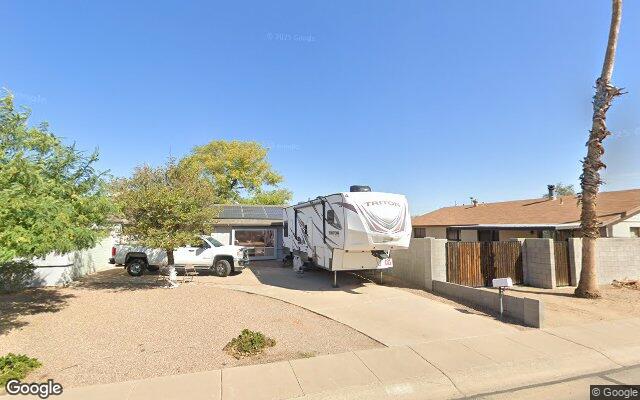
Tour Prep
Family reviews
No reviews yet — be the first to share your experience