Desert Springs Escondido.

A small home, reviewed on public record.
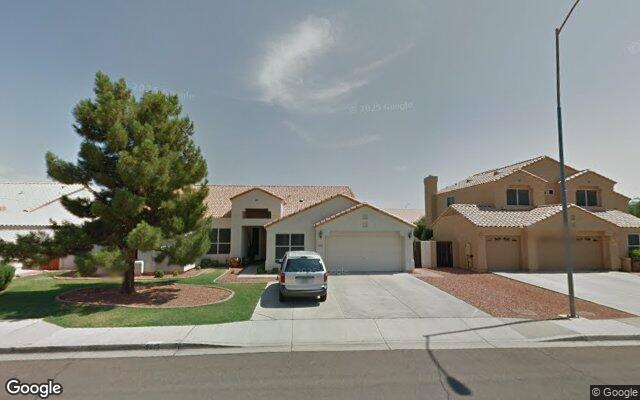
© Google Street View
Compared to 1,661 Arizona facilities with a similar number of beds.
Care · 36-month window. Higher percentile = better performance on inspection record. Source: Arizona Dept. of Health Services · Bureau of Residential Facilities Licensing.
among peers to rank.
Rankings based on 36-month ADHS inspection data. Severity and frequency: fewer citations = higher percentile. Repeat rate: lower repeat citation share = higher percentile.
Citation history, plotted month by month.
10 deficiencies on record. Each bar is a month with a citation.
Finding distribution
10 total · 36 monthsScope × Severity (CMS A–L)
Every inspection visit, verbatim.
2 inspections in the public record, most recent first. Plain-language summaries open first — click into any row for the full citation text.
2026-02-02Annual Compliance VisitEnforcement · 9 findings
“Based on documentation review, record review, and interview, the health care institution failed to ensure the health care institution developed and administered a training program for all staff regarding fall prevention and fall recovery that included initial training and continued competency training. The deficient practice posed a risk to the physical health and safety of a resident. Findings include: 1. A review of E2's personnel record revealed no fall prevention and fall recovery training. Based on E2’s hire date, this documentation was required. 2. In an interview, E1 acknowledged that E2 did not have fall prevention and fall recovery training. 3. In an exit interview, the findings were reviewed with E1, and no additional information was provided.”
“Based on record review, documentation review, and interview, the health care institution failed to implement tuberculosis (TB) infection control activities, including annually providing training and education related to recognizing the signs and symptoms of TB to individuals employed by the health care institution and annually assessing the health care institution's risk of exposure to infectious tuberculosis. The deficient practice posed a risk as the caregiver received no organized instruction or information related to TB surveillance. Findings include: 1. A review of E1's personnel record revealed no documentation of training and education related to recognizing the signs and symptoms of TB. Based on E1's date of hire, this documentation was required. 2. A review of E2's personnel record revealed no documentation of training and education related to recognizing the signs and symptoms of TB. Based on E2's date of hire, this documentation was required. 3. A review of the facility’s documentation revealed no annual assessment of the facility's TB risk assessment. 4. In an interview, E1 acknowledged that an assessment of the health care institution's risk of exposure to infectious TB was not conducted, nor was the employee's annual training. 5. In an exit interview, the findings were reviewed with E1, and no additional information was provided. 6. Technical assistance was provided on this rule during the compliance inspection on July 31, 2023.”
“Based on record review, documentation review, and interview, the manager failed to ensure that caregiver’s and assistant caregivers’ skills and knowledge were verified and documented before providing physical health services, according to policies and procedures, for one of two employees sampled. The deficient practice posed a health and safety risk. Findings include: 1. During the inspection, the Compliance Officers observed E2 transferring a resident from a chair to the resident’s wheelchair. 2. A review of E2’s personnel record revealed no documentation that skills and knowledge were verified and documented before providing physical health services. Based on E2’s hire date, this documentation is required. 3. A review of the facility’s policies and procedures revealed a policy titled "Policy and Procedure for Employee and Volunteer Orientation.” The policy and procedure stated, "The caregiver or volunteer receives orientation that is specific ot the duties to be performed by the caregiver or volunteer before providing assisted living services to a resident. Caregiver and volunteer orientation shall include observation and demonstration before being signed off by the facility manager on the Employee and Volunteer Orientation Form. Employee orientation MUST be completed prior to hands-on training with resident care and medication management." 4. In an exit interview, the findings were reviewed with E1, and no additional information was provided.”
“Based on record review, documentation review, and interview, the manager failed to ensure a caregiver or an assistant caregiver received orientation that was specific to the duties to be performed before providing assisted living services to a resident, for one of two employees sampled. The deficient practice posed a risk if the employees were unable to meet residents' needs. Findings include: 1. During the inspection, the Compliance Officers observed E2 transferring a resident from a chair to the resident’s wheelchair. 2. A review of E2's personnel record revealed no documentation showing E2 had received orientation specific to the duties to be performed. Based on E2’s hire date, this documentation is required. 3. A review of the facility’s policies and procedures revealed a policy titled "Policy and Procedure for Employee and Volunteer Orientation.” The policy and procedure stated, "Employee orientation MUST be completed prior to hands-on training with resident care and medication management." 4. In an exit interview, the findings were reviewed with E1, and no additional information was provided.”
“Based on documentation review, record review, and interview, the manager failed to ensure that the facility did not accept or retain a resident who was confined to a bed or chair because of an inability to ambulate even with assistance, except as provided in R9-10-814.B(2), for two of two residents sampled. The deficient practice posed a risk if the facility was unable to meet a resident's needs. Findings include: 1. R9-10-814.B.2 states, “A manager of an assisted living facility authorized to provide personal care services may accept or retain a resident who is confined to a bed or chair because of an inability to ambulate even with assistance if: The following requirements are met at the onset of the condition or when the resident is accepted by the assisted living facility: The resident or resident’s representative requests that the resident be accepted by or remain in the assisted living facility; The resident’s primary care provider or other medical practitioner: Examines the resident at the onset of the condition, or within 30 calendar days before acceptance, and at least once every six months throughout the duration of the resident’s condition; Reviews the assisted living facility’s scope of services; and Signs and dates a determination stating that the resident’s needs can be met by the assisted living facility within the assisted living facility’s scope of services and, for retention of a resident, are being met by the assisted living facility…” 2. A review of R1’s and R2’s medical records revealed R1 and R2 were wheelchair/bedbound. After further review, R1’s and R2’s medical records did not include a six month determination stating the resident’s needs could be met by the assisted living facility. 3. In an interview, E1 acknowledged R1 and R2 would need six month determinations. 4. In an exit interview, the findings were discussed with E1 and no additional information was provided.”
“Based on documentation review, record review, and interview, the manager failed to ensure that the service plan for a resident receiving directed care services included the requirements in R9-10-814(F)(1) through (3); cognitive stimulation and activities to maximize functioning; strategies to ensure a resident’s personal safety; encouragement to eat meals and snacks; coordination of communications with the resident’s representative, family members, and, if applicable, other individuals identified in the resident’s service plan for two of two residents sampled. The deficient practice posed a risk as the service plan did not reinforce and clarify the services to be provided to a resident. Findings include: 1. R9-814.F.1-3 states, "In addition to the requirements in R9-10-808(A)(3), a manager shall ensure that the service plan for a resident receiving personal care services includes: 1. Skin maintenance to prevent and treat bruises, injuries, pressure sores, and infections; 2. Offering sufficient fluids to maintain hydration; 3. Incontinence care that ensures that a resident maintains the highest practicable level of independence when toileting." 2. A review of R1’s medical record revealed a current service plan dated December 15, 2025. The service plan indicated R1 received directed care services. R1’s service plan did not include skin maintenance to prevent and treat bruises, injuries, pressure sores, and infections; offering sufficient fluids to maintain hydration; cognitive stimulation and activities to maximize functioning; strategies to ensure a resident’s personal safety; encouragement to eat meals and snacks; coordination of communications with the resident’s representative, family members, and, if applicable, other individuals identified in the resident’s service plan. 3. A review of R2’s medical record revealed a current service plan dated January 16, 2026. The service plan indicated R2 received directed care services. R2’s service plan did not include skin maintenance to prevent and treat bruises, injuries, pressure sores, and infections; offering sufficient fluids to maintain hydration; cognitive stimulation and activities to maximize functioning; strategies to ensure a resident’s personal safety; coordination of communications with the resident’s representative, family members, and, if applicable, other individuals identified in the resident’s service plan. 4. In an interview, E1 acknowledged that the service plans for R1 and R2 would need to be updated. 5. In an exit interview, the findings were discussed with E1 and no additional information was provided.”
“Based on documentation review and interview, the manager failed to ensure the disaster plan was reviewed at least once every 12 months. The deficient practice posed a risk as a disaster plan reinforces and clarifies standards expected of employees. Findings include: 1. A review of the facility’s drills documentation revealed no documentation of a disaster plan review. 2. In an interview, E1 acknowledged a disaster plan review would need to be completed. 3. In an exit interview, the findings were discussed with E1 and no additional information was provided.”
“Based on documentation review and interview, the manager failed to ensure a disaster drill for employees was conducted at least once every three months and documented. The deficient practice posed a risk if employees were unable to implement a disaster plan. Findings include: 1. A review of the facility’s drills documentation revealed no documentation of disaster drills being conducted. 2. In an interview, E1 reported E1 thought disaster drills was the new term used for evacuation drills. 3. In an exit interview, the findings were discussed with E1 and no additional information was provided.”
“Based on observation and interview, the manager failed to ensure an evacuation path was conspicuously posted in each hallway of the assisted living facility. The deficient practice posed a risk as a way to exit the facility in the event of an emergency was not posted. Findings include: 1. During an environmental tour, the Compliance Officers observed a wall with all the required postings near the back door. One of the posting was the evacuation path. However, there were no evacuation postings in any of the hallways. 2. In an interview, E1 acknowledged there were no evacuation postings in the hallway. 3. In an exit interview, the findings were discussed with E1, and no additional information was provided.”
2024-10-15Annual Compliance VisitA.A.C. · 1 finding
“Based on record review, documentation review and interview, the manager failed to ensure that a medication administered to a resident was documented in the resident's medical record for two of two residents sampled. The deficient practice posed a risk as medication could not be verified as administered against a medication order. Findings include: 1. Record review established that R1's medical administration record was not filled out as administered at 8am for the following medications on October 15, 2024: - Depakote Sprinkles 125mg - Loratadine 10mg - Meloxicam 7.5mg - Famotidine 20mg 2. Record review established that R2's medical administration record was not filled out as administered at 8am for the following medications on October 15, 2024: - Aspirin 81mg - Iron 325mg - Metoprolol Succinate 25mg - Vitamin D3 2000IU - Doxycycline Hyclate 100mg 3. Record review established that R2's medical administration record was not filled out as administered at 7am for the following medication on October 15, 2024: - Levothyroxine 75mcg 4. Documentation review established that the facility had a policies and procedures section titled "Policy and Procedures for Storing, Dispensing and Disposing Controlled Substances." Section A.1.a. of this section contained the following: "The receipt, administration and disposal of controlled substances or drugs must be recorded in a "register". The register must include the balance remaining for each product with a separate record page being maintained for each resident". 5. In an interview, E1 confirmed that R1's medical administration record was not filled out as administered at 8am for the following medications on October 15, 2024, although these medications were given as ordered: - Depakote Sprinkles 125mg - Loratadine 10mg - Meloxicam 7.5mg - Famotidine 20mg E1 also confirmed that R2's medical administration record was not filled out as administered at 8am for the following medications on October 15, 2024, although these medications were given as ordered: - Aspirin 81mg - Iron 325mg - Metoprolol Succinate 25mg - Vitamin D3 2000IU - Doxycycline Hyclate 100mg E1 also confirmed that R2's medical administration record was not filled out as administered at 7am for the following medication on October 15, 2024, although the medication was given as ordered: - Levothyroxine 75mcg E1 also confirmed that the facility had a policies and procedures section titled "Policy and Procedures for Storing, Dispensing and Disposing Controlled Substances." Section A.1.a. of this section contained the following: "The receipt, administration and disposal of controlled substances or drugs must be recorded in a "register". The register must include the balance remaining for each product with a separate record page being maintained for each resident".”
1 older inspection from 2023 are not shown above.
Get the complete record, translated into plain language — emailed to you.
Other facilities in Mesa.
Other memory care facilities near Mesa with similar care offerings.
Full Inspection Record
Family reviews
No reviews yet — be the first to share your experience