Canyon Valley Memory Care Residence.
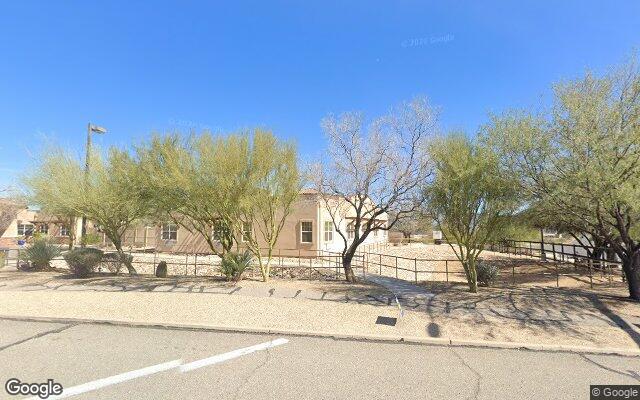
A large home, reviewed on public record.
© Google Street View
Compared to 75 Arizona facilities with a similar number of beds.
Care · 36-month window. Higher percentile = better performance on inspection record. Source: Arizona Dept. of Health Services · Bureau of Residential Facilities Licensing.
among peers to rank.
on file.
Rankings based on 36-month ADHS inspection data. Severity and frequency: fewer citations = higher percentile. Repeat rate: lower repeat citation share = higher percentile.
Citation history, plotted month by month.
30 deficiencies on record. Each bar is a month with a citation.
Finding distribution
30 total · 36 monthsScope × Severity (CMS A–L)
Every inspection visit, verbatim.
12 inspections in the public record, most recent first. Plain-language summaries open first — click into any row for the full citation text.
2026-06-23Complaint InvestigationNo findings
2026-06-04Complaint InvestigationNo findings
2026-03-05Complaint InvestigationR9-10-803.A.10 · 4 findings
“Based on documentation review and interview, the manager failed to ensure the health, safety, or welfare of a resident was not placed at risk of harm. The deficient practice posed a risk to the physical health and safety of a resident. Findings include: 1. A review of facility documentation revealed on March 2, 2026, R1 was able to elope from the facility by taking off the screen from R1's bedroom window and leaving through a gate that was left unlocked in the courtyard. 2. In an interview, E1 stated someone must have forgotten to lock the door in the courtyard. E1 stated alarms have now been placed on R1’s window. 3. In an exit interview, the findings were reviewed with E1 and no further information was provided.”
“Based on record review and interview, the manager failed to ensure that a resident provided evidence of freedom from infectious tuberculosis (TB) as specified in R9-10-113 for two of four residents sampled. The deficient practice posed a risk of illness to residents. Findings include: 1. A review of R2's medical record did not include documentation of a TB screening form for the Compliance Officer to review. 2. A review of R3's medical record included a TB test and TB screening form; however, the TB test and TB screening form were dated over a year past R3's date of admission. 3. In an interview, the findings were reviewed with E1 and no further information was provided.”
“Based on record review and interview, the manager failed to ensure that for a resident who requests or receives memory care services from the assisted living facility, a medical practitioner evaluates the resident within 30 calendar days before acceptance of the resident and at least once every six months throughout the duration of the residents need for memory care services, reviews the assisted living facility’s scope of services, and signs and dates a determination stating that the residents needs can be met by the assisted living facility within the assisted facilities scope of services, for retention of a resident, are being met by the assisted living facility for three out of four residents sampled. Findings Include: 1. A record review of R1’s service plan dated March 3, 2026, revealed R1 was receiving directed care services and memory care services. Based on R1’s date of admission, a continued determination was required stating that the resident’s needs could be met by the assisted living facility, but it was not available for review. 2. A record review of R3’s service plan dated December 19, 2025, revealed R3 was receiving directed care services and memory care services. Based on R3’s date of admission, a continued determination was required stating that the resident’s needs could be met by the assisted living facility, but it was not available for review. 3. A record review of R4’s service plan dated December 30, 2025, revealed R4 was receiving directed care services and memory care services. Based on R4’s date of admission, a continued determination was required stating that the resident’s needs could be met by the assisted living facility, but it was not available for review. 4. In an interview, E1 stated E1 was not aware a signed continued determination was required for memory care residents at least once every six months. 5. In an exit interview, the findings were reviewed with E1 and no further information was provided.”
“Based on observation and interview, the manager failed to ensure poisonous or toxic materials stored by the assisted living facility were maintained in labeled containers in a locked area separate from food preparation and storage, dining areas, and medications were inaccessible to residents. The deficient practice posed a risk to the physical health and safety of a resident. Findings include: 1. During an environmental tour of the facility, the Compliance Officer observed an unlocked "Nurse's Office" room in the Canyon River building with no personnel inside. The nurse's office contained an unlocked cabinet that contained a prescription bottle of Lorazepam Tablets 0.5 MG. The Compliance Officer also observed a zip-lock bag on top of a counter containing several bottles of medication with prescription labels. A bottle of "RX Destroyer Ready to Use Drug Disposal Made Simple" was on the floor by the entrance of the "Nurse's Office." 2. In an interview, E1 stated the nurse must have forgotten to lock the Nurse's Office door. 3. In an exit interview, the findings were reviewed with E1 and no further information was provided.”
2025-12-23Complaint InvestigationHigh Risk · 1 finding
“Based on documentation review and interview, the manager failed to provide written notification to the Department of a resident’s elopement, within 24 hours of the elopement being discovered. Findings Include: 1. The Compliance Officer reviewed an incident report dated December 12, 2025, which indicated an elopement occurred on December 12, 2025, at approximately 4:40pm. 2. A review of the notification that was provided to the Department had a time stamp which indicated the Department was notified on December 15, 2025, at 4:18pm. 3. In an interview, the findings were reviewed with E1. E1 stated that they were under the impression they had 24 business hours to report to the Department. E1 stated that since the incident occurred on a Friday afternoon, they waited for the following Monday to submit notification to the Department.”
2025-07-15Complaint InvestigationNo findings
2025-06-20Complaint InvestigationNo findings
2025-06-13Complaint InvestigationR9-10-808.A.3.b · 2 findings
“Based on record review and interview, for one of two resident's sampled, the manager failed to ensure a written service plan included the level of service the resident was expected to receive. Findings include: 1. A review of R2's medical record revealed a service plan, updated June 13, 2025. However, the service plan did not specify whether the resident was expected to receive Supervisory, Personal, or Directed care services at the facility. 2. In an interview, E1 acknowledged R2's service plan did not include the level of service R2 was expected to receive. Technical Assistance for this rule was provided during the on-site compliance and complaint inspection conducted on March 4, 2025, and the on-site complaint inspection conducted on April 30, 2025.”
“Based on record review and interview, the manager failed to ensure the service plan, for two of two sampled residents receiving directed care services, included documentation of the resident's weight and coordination of communications with the resident's representative, family members, and, if applicable, other individuals identified in the resident's service plan. Findings include: 1. A review of R1's medical record revealed a service plan, updated May 1, 2025, for directed care services. However, the service plan did not include documentation of the resident's weight or coordination of communications with the resident's representative, family members, and, if applicable, other individuals identified in the resident's service plan. 2. A review of R2's medical record revealed a service plan, updated June 13, 2025, with out a specified level of care. However, the service plan did not include documentation of the resident's weight or coordination of communications with the resident's representative, family members, and, if applicable, other individuals identified in the resident's service plan. 3. In an interview, E1 reported R2 receives directed care services. E1 acknowledged the provided service plans had not included documentation of each residents weight or coordination of communications with the resident's representative, family members, and, if applicable, other individuals identified in the resident's service plan. Technical assistance for this rule was provide during the on-site complaint inspection conducted on April 30, 2025.”
2025-04-30Complaint InvestigationR9-10-808.A.5 · 1 finding
“Based on record review and interview, the manager failed to ensure a resident had a written service plan, when initially developed and when updated, was signed and dated by the resident or resident’s representative, the manager, and a nurse or medical practitioner, for two of four sampled residents. Findings include: 1. A review of R2’s medical record revealed a service plan dated February 25, 2025.. The service plan was signed by R2’s representative. However, the service plan had not been signed by a nurse or by the manager. 2. A review of R3’s medical record revealed a service plan dated February 12, 2025. The service plan was signed by the facility nurse. However, the service plan had not been signed by the resident or resident’s representative or by the manager. 3. In an interview, E1 reported they had just started using new software in February of 2025 and some of the electronic signatures show completed but do not actually display. In an interview, E1, E2, and E3 acknowledged the provided service plans for R2 and R3 did not include all required signatures.”
2025-03-04Complaint InvestigationR9-10-113.A.2 · 16 findings
“Based on documentation review, record review, and interview, the health care institution's chief administrative officer failed to ensure the health care institution documented, and implemented tuberculosis (TB) infection control activities required in R9-10-113.A.2.a-f. Findings include: 1. A review of E4’s personnel record revealed E4 had a two-step TST as required. However, the second step TST was completed nine days after E4 began employment. 2. A review of E5’s personnel record revealed E5 has a two-step TST as required. However, the second step TST was completed 21 days after E5 began employment. 3. A review of E5’s personnel record revealed a baseline screening questionnaire completed on E5’s date of hire. However, the screening was marked incorrectly, and had been signed by a practical nurse. 4. A review of R4’s medical record revealed a negative TB test, dated within seven days after R4’s date of acceptance, had not been provided for review. 5. A review of E1’s, E2’s, E3’s, E4’s, and E5’s personnel records revealed annual training and education related to recognizing the signs and symptoms of TB, to include initial training per R9-10-113.A.1, was not available for review. 6. A review of facility documentation revealed documentation of annually assessing the health care institution's risk of exposure to infectious tuberculosis per R9-10-113.A.2.e was unavailable for review. 7. In an interview, E1 acknowledged the health care institution had not documented and implemented tuberculosis infection control activities as required in R9-10-113.A.2.a-f. Technical assistance was provided for this rule during the on-site compliance and complaint inspection conducted on January 8, 2024.”
“Based on documentation review and interview, the manager failed to ensure a documented report was submitted to the governing authority which included an identification of each concern about the delivery of services related to resident care and any changes made or actions taken as a result of the identification of a concern about the delivery of services related to resident care. Findings include: 1. A review of the facility’s policy and procedure manual, last reviewed June 20, 2024. Revealed a policy titled, “Quality Improvement Meeting.” This policy stated, “The Executive Director and the management team will hold a quality improvement meeting at least every three months to review items such as….Accident and Incident Trending…Medication Error Reports…Minutes will be kept of each meeting and a plan will be developed for any undesirable trend or negative outcome…Report to contain: Minutes of the meeting, Plan of Action, Result/outcome of previous quarter’s Quality Improvement’s activities and outcomes.” 2. During the on-site inspection on March 4, 2025 at 09:30 AM, the Compliance Officer requested documentation quality management plans had been implemented. However, the provided documentation was dated more than one year prior to the on-site inspection. Current quality management reports were not available for review.”
“Based on record review and interview, the manager failed to ensure a resident's written service plan was reviewed and updated no later than 14 calendar days after a significant change in the resident's physical, cognitive, or functional condition, for one of four residents sampled. Findings include: 1. A review of R2's medical record revealed a service plan, dated January 1, 2024, for personal care services. The service plan did not include hospice services. The service plan stated, “[R2] is able to ambulate with a walker when [R2] is out of [R2’s] room.” The service plan stated, “Diet Order…Regular….Modified Texture Diet? No….modified consistency liquid? No…” The service plan stated, “[R2] is able to consume [R2’s] meal without hands on help from the staff.” 2. A review of R2's medical record revealed a hospice note dated March 28, 2024, which stated, “Cognitively, Patient’s speech is slurred and nonsensical. Patient is unable to recognize family, Patient has had dementia for 6 to 7 years. [R2] is has had recurring falls and is now wheelchair bound. In February [R2] was ambulating independently with a walker…Nutritionally, patient coughs and chokes when eating food or drink so [R2] is now on a pureed diet, one to one feed, and honey thickened liquids. [R2] is eating and drinking very little. [R2] was taken off of glipizide and metformin due to acute kidney failure.” 3. A review of R2's medical record revealed an updated service plan, dated on or before April 10, 2024, was not available for review. 4. In an interview, E1 acknowledged R2's service plan had not been updated within 14 calendar days after R2 had a significant change in condition.”
“Based on record review and interview, the manager failed to ensure a written service plan was updated at least once every three months, for two of two residents sampled receiving directed care services. Findings include: 1. A review of R3's medical record revealed a written service plan for directed care services, dated December 28, 2023. However, required service plan updates, dated on or before March 28, 2024, June 28, 2024, September 28, 2024, and December 28, 2024, were not available for review. 2. A review of R4’s medical record revealed a written service plan for directed care services, dated January 1, 2024. However, required service plan updates, dated on or before April 1, 2024, July 1, 2024, August 1, 2024, and January 1, 2025, were not available for review. 3. In an interview, E1 reported the facility had only provided hard copy service plans from before the facility switched to a new system, and had not provided any of the service plans generated on the new system for review. E1 acknowledged R3’s and R4’s current service plans had not been provided for review.”
“Based on record review and interview, the manager failed to ensure a caregiver documented the services provided in the resident's medical record, for four of four residents sampled. The deficient practice posed a risk as services could not be verified as provided against a service plan. Findings include: 1. A review of R1’s, R2’s, R3’s, and R4’s medical records revealed each resident had a service plan describing the services which would be provided to each resident. 2. During the on-site inspection, on March 4, 2025 at 9:30 AM, the Compliance Officer requested complete medical records for R1, R2, R3, and R4. However, documentation of services provided to each resident was not available for review. 3. In an interview, E1 acknowledged documentation of the services provided to each resident had not been provided upon request.”
“Based on record review and interview, the manager failed to ensure the requirements in R9-10-814(B)(2) were met for a resident who was confined to a bed or chair because of an inability to ambulate even with assistance, for two of two sampled non-ambulatory residents. Findings include: 1. A review of R2's medical record revealed a service plan, dated January 1, 2024, for personal care services. The service plan stated, “[R2] is able to ambulate with a walker when [R2] is out of [R2’s] room.” 2. A review of R2's medical record revealed a hospice note dated March 28, 2024, which stated, “[R2] is has had recurring falls and is now wheelchair bound. In February [R2] was ambulating independently with a walker.” 3. A review of R2's medical record revealed documentation from the resident or resident’s representative requesting to remain in facility after March 28, 2024, despite being non-ambulatory was not available for review. 4. A review of R2's medical record revealed documentation from a primary care practitioner or other medical practitioner indicating they had reviewed the facility's scope of services, and had signed and dated a determination stating the resident's needs could be met by the assisted living facility within the facility's scope of services was not available for review. 5. A review of R4's medical record revealed a service plan dated January 1, 2024, for directed care services. The service plan stated, "Mobility…[R4] does not ambulate anymore, [R4] is wheelchair bound. [R4] requires assistance with bed mobility as well." 6. A review of R4's medical record revealed documentation, dated January 30, 2024, from a primary care practitioner or other medical practitioner indicating they had reviewed the facility's scope of services, and had signed and dated a determination stating the resident's needs could be met by the assisted living facility within the facility's scope of services. 7. A review of R4’s medical record revealed documentation from a medical practitioner, dated at least once every six month throughout the duration of R4’s inability to ambulate, dated on or before July 30, 2024, and January 30, 2025, was not available for review. 8. In an interview, E1 acknowledged R2's and R4's medical records did not include the required documentation per R9-10-814(B)(2).”
“Based on record review and interview, the manager failed to ensure a medication administered to a resident was administered in compliance with a medication order, for one of four residents sampled who received medication administration. The deficient practice posed a risk if the resident experienced a change in condition due to improper administration of medication. Findings include: 1. A review of R2's medical record revealed a service plan, dated January 2, 2024, for personal care services including medication administration. 2. A review of R2’s medical record revealed a medication order, dated March 27, 2024, for the following: - “Humalog Kwik Pen (u-100) insulin 100 unit/ml subcutaneous, give 3x daily before meals. Sliding scale: 0-199 no insulin, 200-250 – 2 units, 251-300 4 units, 301-350 6 units, 351-400 8 units, 401 and above, 10 units and call PCP.” 3. A review of R2's medical record revealed a list of medication orders, dated April 11, 2024 which included the following: - "Humalog Kwikpen Insulin, 100 Unit/ML Subcutaneous, Sliding Scale: 0-199, no insulin; 200-250, give 2 units, 251-300, give 4 units, 301-350, give 6 units, 351-400, give 8 units, 400- and above give 10 units and call PCP”; and - “Mirtazapine 15 MG Tablet, give one tablet by mouth at bedtime.” 4. A review of R2’s medical record revealed a list of medication orders, dated April 17, 2024, which included the following: - “Humalog Kwik Pen (u-100) insulin 100 unit/ml subcutaneous. Take blood sugars 3 times daily at 7:00 AM, 11:00 AM, and 4:00 PM. Inject insulin subcutaneously *AS NEEDED PER SLIDING SCALE* Blood sugar: 0-199, no insulin; 200-250, give 2 units, 250-300 give 4 units, 301-350, give 6 units, 3510-400, give 8 units, 401 and above, give 10 units and call PCP.” 5. A review of R2’s medical record revealed a list of medication orders, dated April 20, 2024, which included the following: - “Humalog 100 u/ml pen 3ML, Take blood sugar three times day as needed before each meal and inject insulin subcutaneously as needed per sliding scale 0-199 no insulin, 200-250 = 4 units, 251-300 = 6 units, 301-350 = 8 units, 351-400 = 10 units; 401 and above give 15 units and call PCP.” - “Morphine Concentrate 20mg/ml): give 0.25 ml (or 5 mg) by mouth or sublingually every 4 hours as needed for pain or discomfort”; and - “Lorazepam (2mg/ml): give 0.25 ml or (0.5 mg) by mouth or sublingually every 4 hours as needed for restlessness, agitation, anxiety.” 6. A review of R2’s medical record revealed a Medication Administration Record (MAR) dated April 2024. For the medication, “Humalog 100-U/ML Pen 3ML, Inject subcutaneously 3 times daily before meals per sliding scale if 0-199 = 0 units, 200-250 = 2 units; 251-300 = 4 units; 301-350 = 6 units; 351-400 = 8 units; 401+ = 10 units and call PCP,” the MAR documented the following: - On April 1, at 7:00 AM, the MAR was initialed, however, R2’s blood glucose reading and the number of units administered was not documented; - On April 1, at 12:00 PM, the MAR was initialed, however, a pass note dated April 1 at 11:56 AM stated, “blood sugar 307, insulin 8 units,” indicating an incorrect dose of insulin had been administered; - On April 1, at 4:00 PM, the MAR was not initialed, however a pass note dated April 1 at 4:06 PM stated, “337,” indicating R2 needed, but was not administered, insulin; - On April 1, at 7:00 PM, the MAR was initialed, however, R2’s blood glucose reading and the number of units administered was not documented, additionally, 7:00 PM was not a scheduled time of administration for this medication; - On April 2, at 7:00 AM, and 12:00 PM, the MAR was initialed, however, R2’s blood glucose readings and the number of units administered was not documented. - On April 2, at 4:00 PM, the MAR was initialed and a pass note stated, “8 units,” however, R2’s blood glucose reading was not documented. - On April 3, at 7:00 AM, 11:00 AM, and 4:00 PM, the MAR was initialed, however, R2’s blood glucose readings and the number of units administered was not documented. - On April 4, at 7:00 AM, the MAR was initialed, however, R2’s blood glucose reading and the number of units administered was not documented. - On April 4, at 11:00 AM, the MAR was initialed, however, a pass note dated April 4 at 11:35 AM stated, “198” indicating R2 needed, but was not administered, insulin; - On April 5, at 7:00 AM, 11:00 AM, and 4:00 PM, the MAR was initialed, however, R2’s blood glucose readings and the number of units administered was not documented. - On April 6, at 7:00 AM, 11:00 AM, and 4:00 PM, the MAR was initialed, however, R2’s blood glucose readings and the number of units administered was not documented. - On April 7, at 7:00 AM, 11:00 AM, and 4:00 PM, the MAR was initialed, however, R2’s blood glucose readings and the number of units administered was not documented. - On April 8, at 7:00 AM, the MAR was initialed, however, R2’s blood glucose reading and the number of units administered was not documented. - On April 10, at 7:00 AM and 11:00 AM, the MAR was initialed and included a blood glucose reading, however, the amount of insulin administered to R2 had not been documented. - On April 12, at 7:00 AM, 11:00 AM, and 4:00 PM, the MAR was initialed and included a blood glucose reading, however, the amount of insulin administered to R2 had not been documented. - On April 13, at 7:00 AM, 11:00 AM, and 4:00 PM, the MAR was initialed and included a blood glucose reading, however, the amount of insulin administered to R2 had not been documented. - On April 14, at 7:00 AM, 11:00 AM, and 4:00 PM, the MAR was initialed and included a blood glucose reading, however, the amount of insulin administered to R2 had not been documented. - On April 15, at 7:00 AM and 11:00 AM, the MAR was initialed and included a blood glucose reading, however, the amount of insulin administered to R2 had not been documented. - On April 16, at 7:00 AM and 11:00 AM, the MAR was initialed and included a blood glucose reading, however, the amount of insulin administered to R2 had not been documented. - On April 17, at 7:00 AM and 11:00 AM, the MAR was initialed and included a blood glucose reading, however, the amount of insulin administered to R2 had not been documented. - On April 17, at 4:00 PM, the MAR was not initialed and no pass note was available, indicating the medication had not been administered as ordered; - On April 18, the MAR included a single initialed box with a blood glucose reading of 371, however, the time of administration was marked “PRN,” (as needed), and a PRN note at 5:11 PM stated 7 units were given for the reason “BS high”. However, 7 units was not a dosage option on the sliding scale, and documentation of R2’s blood glucose reading three times a day before meals was not available for review; - On April 19, the MAR included a single initialed box with a blood glucose reading of 308, however, the time of administration was marked “PRN,” (as needed). A pass note stated, “Humalog given at 1600, BG level at 308, 6 units given.” However, documentation of R2’s blood glucose reading three times a day before meals was not available for review; - On April 20, the MAR included a single initialed box with a blood glucose reading 296, however, the time of administration was marked “PRN,” (as needed), and a PRN note at 4:02 PM stated 4 units were given for the reason “BG”. However, documentation of R2’s blood glucose reading three times a day before meals was not available for review; - On April 21, the MAR included a single initialed box with a blood glucose reading of 332, however, the time of administration was marked “PRN,” (as needed), and a PRN note at 5:24 PM stated 8 units were given with the results “BS 332 gave 8 units”. However, documentation of R2’s blood glucose reading three times a day before meals was not available for review; - On April 22, the MAR included a single initialed box with a blood glucose reading of 310, however, the time of administration was marked “PRN,” (as needed) and, a PRN note at 5:24 PM stated 8 units were given for the reason, “high”. However, documentation of R2’s blood glucose reading three times a day before meals was not available for review; - On April 23, the MAR included a single initialed box with a blood glucose reading of 400, however, the time of administration was marked “PRN,” (as needed), and a PRN note at 9:33 AM stated 15 units were given for the reason, “high bs 400+.” 7. A review of R2’s medical record revealed a Medication Administration Record (MAR) dated April 2024. For the medication, “Lorazepam Intensol 2mg/ml conc, take 0.25 ML (0.5 mg) by mouth or sublingually every 4 hours as needed for restlessness, agitation, or anxiety,” the MAR documented the following: - On April 21, the MAR was initialed to indicate the medication had been administered. A PRN note stated a quantity of 1.000 had been administered at 10:13 AM for the reason, “agitation.” However, the dosage given was incorrect and was four times the ordered dosage of 0.25 ml; and - On April 23, the MAR was initialed to indicate the medication had been administered. A PRN note stated a quantity of 0.250 had been administered at as ordered at 4:48 AM for the reason, “agitation.” 8. A review of R2’s medical record revealed a Medication Administration Record (MAR) dated April 2024. For the medication, “Morphine SUL IR 20mg/ml SOLN, take 0.25 ml (5 MG) by mouth or sublingually every 4 hours as needed for pain or discomfort,” the MAR documented the following: - On April 21, the MAR was initialed to indicate the medication had been administered. A PRN note stated a quantity of 1.000 had been administered at 10:13 AM for the reason, “discomfort.” However, the dosage given was incorrect and was four times the ordered dosage of 0.25 ml; - On April 22, the MAR was marked, “2x” to indicate the medication had been administered twice. A PRN note stated a quantity of 1.000 had been administered at 12:21 PM for the reason, “Pain.” However, the dosage given was incorrect and was four times the ordered dosage of 0.25 ml. A second PRN note stated a quantity of 0.250 had been administered as ordered at 5:34 PM for the reason, “discomfort.” - On April 23, the MAR was marked, “2x” to indicate the medication had been administered twice. A PRN note stated a quantity of 0.250 had been administered as ordered at 4:48 AM for the reason, “Pain.” A second PRN note stated a quantity of 0.250 had been administered as ordered at 09:33 AM for the reason, “discomfort.” 9. In an interview with E2, E2 stated the quantity of a liquid medication documented in the electronic MAR is the amount ordered, and would be documented as a quantity of 0.250 if the ordered dosage was .25 milliliters. E2 stated the controlled substances log also includes hand written documentation of the amount administered if the medication was a controlled substance. E2 reported the controlled substance log is a notebook with the amount of controlled substances on hand for all residents, and the logs do not get placed into each resident’s medical record at any point. The Compliance Officer asked to see the controlled substance log for April of 2024, however, E2 reported the old logs were taken by the nurse and were not available for review. 10. In an interview, E1 reported the controlled substances log had confirmed the amount of lorazepam and morphine documented to have been administered to R2 was incorrect, however, E1 acknowledged the controlled substance logs had not been provided for review. E1 acknowledged the provided documentation for R2 indicated medications had not been administered in compliance with a medication order.”
“Based on record review, observation, and interview, the manager failed to ensure a medication administered to a resident was documented in the resident's medical record, for four of four residents sampled who received medication administration. The deficient practice posed a risk if medication administered to a resident was not accurately documented. Findings include: 1. During the on-site inspection, on March 4, 2025 at 9:30 am, the Compliance Officer requested complete medical records for R1, R2, R3, and R4. 2. A review of R1's medical record revealed a service plan, dated August 21, 2024, for personal care services including medication administration. 3. A review of R1's medical record revealed a medication administration record (MAR) for September 2024. However, documentation of medications administered to R1 prior to September 2024 were not available for review. 4. A review of R2's medical record revealed a service plan, dated January 2, 2024, for personal care services including medication administration. 5. A review of R2's medical record revealed a medication administration record (MAR) for April 2024. However, documentation of medications administered to R2 prior to April 2024 were not available for review. 6. A review of R3's medical record revealed a service plan, dated December 28, 2023, for directed care services including medication administration. 7. A review of R3's medical record revealed documentation of medications administered to R3 were not available for review. 8. A review of R4's medical record revealed a service plan, dated January 1, 2024, for directed care services including medication administration. 9. A review of R4's medical record revealed documentation of medications administered to R4 were not available for review. 10. In an interview, E1 reported the facility had records of medications administered to each resident in an electronic health record. E1 acknowledged this documentation had not been provided upon request.”
“Based on observation, record review, and interview, the manager failed to ensure that medication was stored in a separate locked room, closet, cabinet, or self-contained unit used only for medication storage. Findings include: 1. During an environmental inspection of the facility, in R3’s bedroom, the compliance officer observed a hygiene supply drawer had a lock, however, the drawer had been left unlocked. Inside the drawer, the Compliance Officer observed three containers of barrier creams with labels including drug facts and a warning to seek medical help if the products were ingested. 2. A review of R3’s medical record revealed a service plan for directed care services including Medication Administration. R3’s service plan did not state R3 would self-administer any medications and did not include instructions for how R3 would store or control medications in R3’s residential unit. 3. During an environmental inspection of the facility, in R4’s bedroom, the compliance officer observed a hygiene supply drawer had a lock, however, the drawer had been left unlocked. Inside the drawer, the Compliance Officer observed two containers of barrier creams with labels including drug facts and a warning to seek medical help if the products were ingested. 4. A review of R4’s medical record revealed a service plan for directed care services including Medication Administration. R4’s service plan did not state R4 would self-administer any medications and did not include instructions for how R4 would store or control medications in R4’s residential unit. 5. In an interview, E1 acknowledged medications stored by the assisted living facility had not been stored in a separate locked area.”
“Based on documentation review, record review, and interview, the manager failed to ensure policies and procedures were implemented for inventorying controlled substances. Findings include: 1. A review of the facility's policies and procedures covering medication administration, reviewed June 20, 2024, revealed a policy covering inventorying controlled substances, which stated, "When a controlled substance is administered, record it on the resident’s MAR as well as in the separate Controlled Substance Log...verify the number of controlled substances on hand by counting at the beginning and end of each shift…both Unlicensed Personnel/LNs will sign the Controlled Substance Log as verification that the count has been completed and that the count was correct." 2. A review of R2’s medical record revealed a Medication Administration Record (MAR) dated April 2024. For the medication, “Lorazepam Intensol 2mg/ml conc, take 0.25 ML (0.5 mg) by mouth or sublingually every 4 hours as needed for restlessness, agitation, or anxiety,” the MAR documented the following: - On April 21, the MAR was initialed to indicate the medication had been administered. A PRN note stated a quantity of 1.000 had been administered at 10:13 AM for the reason, “agitation.” However, the dosage given was incorrect and was four times the ordered dosage of 0.25 ml; and - On April 23, the MAR was initialed to indicate the medication had been administered. A PRN note stated a quantity of 0.250 had been administered at as ordered at 4:48 AM for the reason, “agitation.” 3. A review of R2’s medical record revealed a Medication Administration Record (MAR) dated April 2024. For the medication, “Morphine SUL IR 20mg/ml SOLN, take 0.25 ml (5 MG) by mouth or sublingually every 4 hours as needed for pain or discomfort,” the MAR documented the following: - On April 21, the MAR was initialed to indicate the medication had been administered. A PRN note stated a quantity of 1.000 had been administered at 10:13 AM for the reason, “discomfort.” However, the dosage given was incorrect and was four times the ordered dosage of 0.25 ml; - On April 22, the MAR was marked, “2x” to indicate the medication had been administered twice. A PRN note stated a quantity of 1.000 had been administered at 12:21 PM for the reason, “Pain.” However, the dosage given was incorrect and was four times the ordered dosage of 0.25 ml. A second PRN note stated a quantity of 0.250 had been administered as ordered at 5:34 PM for the reason, “discomfort.” - On April 23, the MAR was marked, “2x” to indicate the medication had been administered twice. A PRN note stated a quantity of 0.250 had been administered as ordered at 4:48 AM for the reason, “Pain.” A second PRN note stated a quantity of 0.250 had been administered as ordered at 09:33 AM for the reason, “discomfort.” 4. In an interview with E2, E2 stated the quantity of a liquid medication documented in the electronic MAR is the amount ordered, and would be documented as a quantity of 0.250 if the ordered dosage was .25 milliliters. E2 stated the controlled substances log also includes hand written documentation of the amount administered if the medication was a controlled substance. E2 reported the controlled substance log is a notebook with the amount of controlled substances on hand for all residents, and the logs do not get placed into each resident’s medical record at any point. The Compliance Officer asked to see the controlled substance log for April of 2024, however, E2 reported the old logs were taken by the nurse and were not available for review. 5 In an interview, E1 acknowledged facility’s controlled substance logs were not provided for review.”
“Based on documentation review and interview, the manager failed to ensure a food included any food substitution no later than the morning of the day of meal service with a food substitution, and was maintained for at least 60 calendar days after the last day included in the food menu. Findings include: 1. During the on-site inspection, E1 provided five weekly menus for review. These menus were marked “Week 1,” through “Week 5.” However, the menus were not dated to show the prior 60 days of served food, and did not include any documentation of substitutions. 2. In an interview, E1 acknowledged the facility had not documented substitutions no later than the morning of the day of the meal service with a food substitution, and had not provided the past 60 days of finalized menus showing what food was actually served.”
“Based on observation and interview, the manager failed to ensure a refrigerator used by an assisted living facility to store food contained a thermometer accurate to plus or minus 3° F. Findings include: 1. During an environmental inspection of the facility, in the Mountain Unit, the Compliance Officer observed a refrigerator contained items requiring refrigeration, such as apple sauce, milk, and ketchup. However, the refrigerator did not contain a thermometer. 2. In an interview, E1 acknowledged the refrigerator did not contain a thermometer.”
“Based on observation and interview, the manager failed to ensure that frozen foods were stored at a temperature of 0° F or below. Findings include: 1. During an environmental inspection of the facility, the Compliance Officer observed a freezer in the commercial kitchen. The freezer had two thermometer which both displayed 16° F. 2. In an interview, E1 acknowledged frozen foods had not been stored at or below 0° F.”
“Based on documentation review, observation, and interview, the manager failed to ensure a disaster drill for employees was conducted on each shift at least once every three months and documented. Findings include: 1. A documentation review of the facility work schedule revealed the facility worked three shifts per day. 2. A review of facility documentation revealed no documented disaster drills were provided for review. 3. A review of facility documentation revealed documents titled, “Fire Drill Record,” which appeared to be staff-only drills conducted on different shifts. Fire Drills during the previous twelve months had been documented as follows: - March 21, 2024 on the 3rd shift; - April 26, 2024 on the 1st shift; - May 31, 2024 on the 1st shift; - June 28, 2024 on the 3rd shift; - August 8, 2024 on the 2nd shift; - September 20, 2024 on the 3rd shift; - November 26, 2024 on the 2nd shift; - January 31, 2025 on the 1nd shift; and - February 19, 2025 on the 2nd shift. 4. In an interview, E1 acknowledged documentation of disaster drills conducted on each shift at least once every three months had not been provided for review.”
“Based on observation, documentation review, and interview, the manager failed to ensure combustible or flammable liquids and hazardous materials stored by the assisted living facility were stored in a locked area inaccessible to residents. The deficient practice posed a risk to the physical health and safety of a resident. Findings include: 1. During an environmental inspection of the facility, the Compliance Officer observed the following in a courtyard of the facility accessible to directed care residents: - A propane grill with two propane tanks, one attached and one disconnected from the burners; - No staff members were present in the courtyard; and - A resident followed the Compliance Officer into the courtyard to discuss an unrelated matter. 2. In an interview, E1 acknowledged combustible or flammable materials stored by the assisted living facility were not maintained in a locked area inaccessible to residents. Technical assistance for leaving the propane grill in the memory care courtyard was provided during the on-site compliance inspection conducted on January 8, 2024.”
“Based on record review and interview, the health care institution failed to initiate cardiopulmonary resuscitation (CPR) in accordance with its certification training for CPR before the arrival of emergency medical services, to a resident who was nonresponsive or has a cessation of normal respiration, in accordance with that resident's advance directives, if known. The deficient practice posed a risk to the physical health and safety of a resident. Findings include: 1. A review of department documentation revealed a report, received September 17, 2024, which stated, "Full Code. CPR not started. In QMAR at the time of incident noted was DNR. Last time checked on: Resident last seen around 8pm before bed. Summary of actions: [R1] was found in [R1’s] apartment laying on [R1’s] side in bed. Staff attempted to wake [R1] but unsuccessful. Staff took vitals, no vitals found. Staff notified ED, RN, RCC and coworker who assisted with calling 911 and family." 2. During the on-site inspection on March 4, 2025, the Compliance Officer requested R1’s complete medical record at 9:30 AM. However, an incident report for R1 was not provided for review. 3. A review of R1’s medical record revealed a living will which stated, “If at any time I should have an incurable injury, disease, or illness, certified to be a terminal condition by two (2) physicians who have personally examined me, one of whom is my attending physician, and the physicians have determined that my death will occur unless life-sustaining procedures are used and if the application of life-sustaining procedures would serve only to artificially prolong the dying process, I direct that life sustaining procedures be withheld or withdrawn and that I be permitted to die naturally with only the performance of medical procedures and administration of pain medications deemed necessary to provide me with comfort care.” 4. A review of R1’s medical record revealed certification of a terminal condition by two physicians was not available for review. 5. A review of R1’s medical record revealed a service plan updated August 21, 2024 for personal care services. The service plan indicated R1 was not receiving hospice services. 6. A review of R1’s medical record revealed a do not resuscitate order (DNR) was not available for review. 7. In an interview, E1 acknowledged CPR had not been initiated for R1 as required.”
2024-08-05Complaint InvestigationNo findings
2024-05-30Complaint InvestigationNo findings
2024-01-08Complaint InvestigationA.A.C. · 6 findings
“Based on record review and interview, the manager failed to ensure documentation required by this Article was provided to the Department within two hours after a Department request. The deficient practice posed a risk as the Department was unable to determine substantial compliance as the licensee did not provide the Department with the requested documentation required by this Article. Findings include: 1. On January 8, 2024, the Compliance Officer requested the following documents during the on-site inspection: - the individual's name, date of birth, and contact telephone number for E1, E2, E3, E4, and E5; - the individual's qualifications, including skills and knowledge applicable to the individual's job duties for E1, E2, and E5; - the individual's education and experience applicable to the individual's job duties for E1, E2, E3, E4, and E5; - the individual's completed orientation and in-service education required by policies and procedures the individual's license or certification for E1 and E2; - completion of a caregiver training program approved by the Department or the Board of Examiners for Nursing Care Institution Administrators and Assisted Living Facility Managers (NCIA) for E3; and - completed TB documentation for E1, E2, E3, E4, and E5. - cardiopulmonary resuscitation training for E4; - the documentation of compliance with the requirements in A.R.S. \'a7 36-411(A) for E3; - determination of residency for R1, R2, R3, and R4; - residency agreements for R1, R2, R3, R4, and R5; - medication orders for R1, R2, R3, R4, and R5; - medication administration records for R1, R2, R3, R4, and R5; and - completed TB documentation for R1, R2, R3, R4, and R5. 2. In an interview, E1 and E6 acknowledged this information was not provided to the Compliance Officer within two hours after a Department request.”
“Based on record review, documentation review, and interview, the manager failed to ensure a caregiver provided current documentation of cardiopulmonary resuscitation (CPR) training before providing assisted living services, for one of five caregivers sampled. The deficient practice posed a risk if an employee was unable to meet a resident's needs during an emergency. Findings include: 1. A review of E4's personnel record revealed E4 was hired as a caregiver in August 2022. 2. A review of E4's personnel record revealed a National CPR Foundation CPR/Automated External Defibrillator (AED)/First Aid training certification. The course had a completion date of November 15, 2022. 3. An online search of the National CPR Foundation revealed this is an online course only for CPR and First Aid. 4. A review of documentation titled Caregiver Job Descriptions, Duties, and Qualifications" revealed "1. Before providing direct care to the residents at this facility the Manager will ensure that each caregiver will meet the following requirements: .... g. Has valid and current documentation of first aid training and cardiopulmonary resuscitation (CPR) training certification specific to adults, prior to providing personal or directed care services (please see CPR policy)". and "Qualified and Trained Staff, .... 1. Maintain Qualified staff as outlined by each state's regulations to include but not limited to: In Arizona staff at least one staff member who is CPR and First Aide Trained at all times and will officer training to all staff to meet this requirement. Specifics provided below. ....b. CPR -American Red Cross/American Heart Association and accredited instructors for each association". The Compliance Officer requested the CPR policy document, however, E1 reported being unable to locate another policy, 5. In an interview, E1 and E6 acknowledged E4 did not have a valid CPR certification in E4's personnel record.”
“Based on documentation review, observation, and interview, the manager failed to ensure a personnel record for each employee or volunteer included the individual's name, date of birth, and contact telephone number, the individual's qualifications, including skills and knowledge applicable to the individual's job duties the individual's education and experience applicable to the individual's job duties, the individual's completed orientation and in-service education required by policies and procedures the individual's license or certification, if the individual is required to be licensed or certified in this Article or in policies and procedures, documentation of compliance with the requirements in A.R.S. \'a7 36-411(A) and (C), and completed TB documentation for five of five personnel members sampled. The Department was unable to determine substantial compliance as the licensee did not provide the Department with the requested documentation required by this Article within two hours after a Department request. A.A.C. R9-10-101(165) states a "Personnel member" means, "except as defined in specific Articles of this Chapter and excluding medical staff member, a student, or an intern, an individual providing physical health services or behavioral health services." Findings include: 1. A review of E1's personnel record revealed the following was missing from the record; - the individual's name, date of birth, and contact telephone number; - the individual's qualifications, including skills and knowledge applicable to the individual's job duties; - the individual's education and experience applicable to the individual's job duties, - the individual's completed orientation and in-service education required by policies and procedures the individual's license or certification; and - completed TB documentation. 2. A review of E2's personnel record revealed the following was missing from the record;: - the individual's name, date of birth, and contact telephone number; - the individual's completed orientation and in-service education required by policies and procedures, the individual's license or certification (this was in the file left blank) and - completed TB documentation. 3. A review of E3's personnel record revealed the following was missing from the record; - the individual's name, date of birth, and contact telephone number; - completion of a caregiver training program approved by the Department or the Board of Examiners for Nursing Care Institution Administrators and Assisted Living Facility Managers (NCIA) ; - the documentation of compliance with the requirements in A.R.S. \'a7 36-411(A); and - completed TB documentation. 4. A review of E4's personnel record revealed the following was missing from the record; - the individual's name, date of birth, and contact telephone number; and - completed TB documentation. 5. A review of E5's personnel record revealed the following was missing from the record; - the individual's name, date of birth, and contact telephone number; - the individual's qualifications, including skills and knowledge applicable to the individual's job duties; and - completed TB documentation. 6. In an interview, E1 and E6 reported being unaware these documents were missing from the personnel records and acknowledged being unable to locate these documents while the Compliance Officer was on-site.”
“Based on record review and interview, the manager failed to ensure an individual submitted documentation dated within 90 calendar days before the individual was accepted by the facility, and if an individual was requesting or was expected to receive supervisory care services, personal care services, or directed care services, to include whether the individual required continuous medical services, continuous or intermittent nursing services, or restraints; dated and signed by a physician, registered nurse practitioner, registered nurse, or physician assistant, for six of six residents sampled. The deficient practice posed a risk if the facility was unable to meet a resident's needs. Findings include: 1. A review of R1, R2, R3, and R4's medical records revealed no documentation dated within 90 calendar days before the residents were accepted by the facility, and if an individual was requesting or was expected to receive supervisory care services, personal care services, or directed care services, to include whether the individual required continuous medical services, continuous or intermittent nursing services, or restraints; dated and signed by a physician, registered nurse practitioner, registered nurse, or physician assistant. 2. In an interview, E1 and E6 reported being unable to locate documentation dated within 90 calendar days before the individual was accepted by the facility.”
“Based on record review and interview, the manager failed to ensure a resident had a written service plan signed and dated by the manager, when initially developed and when updated, for two of four residents sampled. The deficient practice posed a risk if the service plan was not developed or approved to articulate decisions and agreements. Findings include: 1. A review of R1's medical record revealed a service plan dated December 11, 2023, for directed care services. The service plan was not signed and dated by the manager. 2. A review of R2's medical record revealed a service plan dated December 23, 2023, for directed care services. The service plan was not signed and dated by the manager. 3. In an interview, E1 and E6 acknowledged the service plans provided for R1 and R2 had not been signed and dated by the manager. This is a repeat citation from the complaint survey conducted on August 22, 2023.”
“Based on record review, documentation review, and interview, the manager failed to ensure a resident's medical record contained documentation of the resident's needs required in R9-10-807(B), the resident's signed residency agreement and any amendments, a medication order from a medical practitioner for each medication that is administered to the resident or for which the resident receives assistance in the self-administration of the medication, documentation of medication administered to the resident received assistance in the self-administration of medication that includes: the date and time of administration or assistance, the name, strength, dosage, and route of administration, the name and signature of the individual administering or providing assistance in the self-administration of medication, an unexpected reaction the resident has to the medication and documentation of the resident's refusal of a medication, for four of four residents sampled. The deficient practice posed a risk if the services provided could not be verified. Findings include: 1. A review of R1, R2, R3, and R4's medical records revealed the following information was not included in the medical record: - documentation of the resident's needs required in R9-10-807(B); - the resident's signed residency agreement and any amendments; - medication order from a medical practitioner for each medication that is administered to the resident or for which the resident receives assistance in the self-administration of the medication, documentation of medication administered to the resident received assistance in the self-administration of medication that includes: the date and time of administration or assistance, the name, strength, dosage, and route of administration, the name and signature of the individual administering or providing assistance in the self-administration of medication, an unexpected reaction the resident has to the medication and documentation of the resident's refusal of a medication 2. In an interview, E1, and E6 acknowledged the information was not provided to the Compliance Officer during the on-site compliance inspection.”
1 older inspection from 2023 are not shown above.
Get the complete record, translated into plain language — emailed to you.
Other facilities in Green Valley.
Other memory care facilities near Green Valley with similar care offerings.




Full Inspection Record
Family reviews
No reviews yet — be the first to share your experience
Other memory care options nearby.
Villas at Green Valley, Villa F
Green Valley
Villas at Green Valley, Villa a
Green Valley
Villas at Green Valley, Villa C
Green Valley
Villas at Green Valley, Villa D
Green Valley
Villas at Green Valley, Villa E
Green Valley
Arroyo Gardens Independent and Assisted Living
Green Valley
Haven Springs at Green Valley
Green Valley
Villas at Green Valley, Villa I
Green Valley