Sunridge Village.
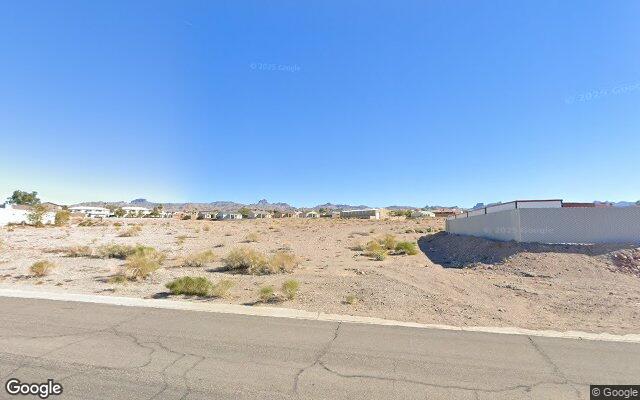
A large home, reviewed on public record.
© Google Street View
Compared to 116 Arizona facilities with a similar number of beds.
Care · 36-month window. Higher percentile = better performance on inspection record. Source: Arizona Dept. of Health Services · Bureau of Residential Facilities Licensing.
among peers to rank.
on file.
Rankings based on 36-month ADHS inspection data. Severity and frequency: fewer citations = higher percentile. Repeat rate: lower repeat citation share = higher percentile.
Citation history, plotted month by month.
10 deficiencies on record. Each bar is a month with a citation.
Finding distribution
10 total · 36 monthsScope × Severity (CMS A–L)
Every inspection visit, verbatim.
7 inspections in the public record, most recent first. Plain-language summaries open first — click into any row for the full citation text.
2026-02-26Complaint InvestigationA.A.C. · 3 findings
“Based on documentation review and interview, the assisted living center failed to provide a written document which covered A.R.S § 36-420.04.A.1-9, when the assisted living center contacted an emergency responder on behalf of the resident, for one of eight residents sampled. Findings include: 1 . A review of R5's medical record revealed an incident where R5 was sent to the hospital by the facility on February 15, 2026. However, documentation of a written document presented to emergency medical services (EMS) that included all items covered under A.R.S § 36-420.04.A.1-9 at the time of incident was not available for review at the time of inspection. 2 . In an exit interview, the finding was discussed with E1 and no additional information was provided.”
“Based on documentation review, and interview, the manager failed to ensure residents had a written service plan which accurately included the level of service the resident was expected to receive, for one of eight resident records reviewed. The deficient practice posed a risk as the service plan did not reinforce and clarify the services to be provided to a resident. Findings include: A.R.S. § 36-401.50 "Supervisory care services" means general supervision, including daily awareness of resident functioning and continuing needs, the ability to intervene in a crisis and assistance in self-administering prescribed medications. A.R.S. § 36-401.41 "Personal care services" means assistance with activities of daily living that can be performed by persons without professional skills or professional training and includes the coordination or provision of intermittent nursing services and the administration of medications and treatments by a nurse who is licensed pursuant to title 32, chapter 15 or as otherwise provided by law. A.R.S. § 36-401.16 "Directed care services" means programs and services, including supervisory and personal care services, that are provided to persons who are incapable of recognizing danger, summoning assistance, expressing need or making basic care decisions. 1. In an interview, E1 reported that R2 and R4 were receiving supervisory care services and were living on the assisted living side. 2. Review of R2 and R4's service plans indicated the level of care as supervisory services. However, both residents received medication administration. 3. In an exit interview, the finding was reviewed with E1, and no additional information was provided.”
“Based on documentation review and interview, the manager failed to ensure that a disaster drill for employees was conducted on each shift, at least once every three months, and documented. The deficient practice posed a risk if employees were unable to implement a disaster plan. Findings include: 1. A review of facility staffing schedules revealed the facility operated three shifts: days, 6:00 a.m. – 2:30 p.m., evening shift, 2:00 p.m. – 10:30 p.m., and nights, 10:00 p.m. – 6:30 a.m. 2. A review of facility documentation revealed evidence of documentation of disaster drills conducted on the first and second shifts. However, there was no documentation that disaster drills were being conducted on the third shift. Evidence of documentation of any additional disaster drills conducted was unavailable for review. 3. In an interview, E1 agreed that disaster drills were not being conducted on each shift, at least once every three months, and documented. 4. In an exit interview, the findings were reviewed with E1, and no additional information was provided.”
2024-08-14Complaint InvestigationNo findings
2024-07-19Complaint InvestigationA.A.C. · 1 finding
“Based on observation and interview the manager failed to ensure that cooling systems maintain the assisted living facility at a temperature between 70\'b0 F and 84\'b0 F at all times. Findings include: 1. During an interview E1 stated, "Our air conditioning for the memory unit common area was broken for about one and a half weeks. The temperature got up to 88 degrees (Fahrenheit) in there. We stopped using the area until it was fixed." 2. At the time of the survey the temperature in the memory unit common area was observed to be 75 degrees Fahrenheit. 3. During an interview E1 acknowledged the cooling systems failed to maintain the assisted living facility at a temperature between 70\'b0 F and 84\'b0 F at all times.”
2024-04-24Complaint InvestigationNo findings
2024-03-08Complaint InvestigationA.A.C. · 1 finding
“Based on observation and interview, the manager failed to ensure that the premises and equipment were cleaned and, if applicable, disinfected according to policies and procedures designed to prevent, minimize, and control illness or infection. Findings include: 1. Observation of R2's room revealed the carpet to be heavily stained and discolored in the heavy traffic areas of the room and hallways. A 15" x 6" (approximate) section of carpeting, located next to the balcony Arcadia door was dark gray/yellow in color. A blue chair was observed to be heavily soiled and spotted with what appeared to be food. The toilet bowl was observed to be heavily stained and discolored. 2. During an interview, E1 stated "The resident doesn't keep the room clean, we think the stain near the Arcadia door is urine. We are moving the resident to a room with tile floors." 3. Review of the facility policies and procedures indicated the premises and equipment will be maintained in a clean condition. 4. During an interview, E1 acknowledged the section of carpeting and equipment was not clean.”
2024-02-14Complaint InvestigationA.A.C. · 5 findings
“Based on record review and interview, the manager failed to ensure that one of one sample personnel record contained evidence of freedom from infectious tuberculosis (TB), on or before the date the individual began providing services to residents as specified in R9-10-113. Findings include: 1. The record for E2 (Caregiver, hired December 7, 2022) contained documentation indicating that one TB test was administered. No other TB test documentation conducted within the past 12 months was found in the record. 2. During an interview, E1 acknowledged that the employee worked more than 8 hours per week and the documentation did not reflect that the employee record contained evidence of freedom from TB as specified in R9-10-113, prior to providing services to residents.”
“Based on observation and interview, the manager failed to ensure that a current toxicology reference guide was available for use by personnel members. Findings include: 1. The toxicology guide available for use by personnel members was the Poisoning and Drug Overdose, 6th. edition. 2. The Internet web site for the toxicology guide revealed that a more current edition was available for distribution. 3. During an interview, E1 acknowledged that a current toxicology reference guide was not available for use by personnel members.”
“Based on documentation review and interview, the manager failed to ensure that documentation of each evacuation drill was created and maintained for 12 months after the date of the evacuation drill that included: An identification of all residents needing assistance for evacuation, and an identification of all residents who were not evacuated. Findings include: 1. Review of 12 months of facility evacuation drill documentation revealed that the documentation failed to identify the following: An identification of all residents needing assistance for evacuation and all residents who were not evacuated. 2. During an interview, E1 stated, "We do have directed care residents here and others who would need assistance and some who may not evacuate." 3. During an interview, E1 acknowledged the required documentation was not available for review.”
“Based on record review and interview, the chief administrative officer failed to ensure that the health care institution established, documented, and implemented tuberculosis infection control activities that included annually providing training and education related to recognizing the signs and symptoms of tuberculosis (TB) to individuals providing services for the health care institution. Findings include: 1. Review of the record for E1 failed to reveal documentation indicating that annual training related to recognizing the signs and symptoms of TB had been completed. No TB training documentation was available for review. 2. Review of the record for E2 failed to reveal documentation indicating that annual training related to recognizing the signs and symptoms of TB had been completed. No TB training documentation was available for review. 3. Review of the record for E3 failed to reveal documentation indicating that annual training related to recognizing the signs and symptoms of TB had been completed. No TB training documentation was available for review. 4. During an interview, E1 acknowledge that the required documentation was not available.”
“Based on documentation review and interview, the chief administrative officer failed to ensure that the health care institution establishes, documents, and implements tuberculosis infection control activities that included annually assessing the health care institution's risk of exposure to infectious tuberculosis. Findings include: 1. Review of facility documentation failed to reveal an annual assessment of the health care institution's risk of exposure to infectious tuberculosis. 2. During an interview, E1 acknowledged that the required documentation was not available for review.”
2024-01-09Complaint InvestigationNo findings
Other facilities in Bullhead City.
Other memory care facilities near Bullhead City with similar care offerings.
Facility Watch · Premium
Family reviews
No reviews yet — be the first to share your experience